When a patient presents with fiery red, peeling, and intensely painful gums, our clinical reflex is almost automatic: reinforce oral hygiene, prescribe an antimicrobial rinse, and schedule a follow-up. But what happens when the tissue simply refuses to heal? .
All posts by ICPA HEALTH PRODUCTS LTD
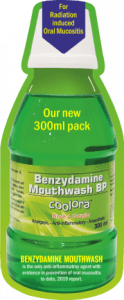
Every dentist who supports oncology patients knows the clinical heartbreak of Oral Mucositis (OM) . It is one of the most debilitating dose-limiting toxicities of antineoplastic therapy. When OM progresses to Grade 3 or 4, patients suffer severe ulceration, .
Dentinal hypersensitivity DH) presents as sharp pain when teeth are exposed to stimuli such as air, cold, or touch. Patients report discomfort during routine activities like brushing, drinking cold water, or breathing through the mouth. Managing this condition remains .
Introduction Oral Lichen Planus (OLP) presents a chronic management challenge for the dental professional. While topical and systemic corticosteroids remain the traditional first-line therapy, their long-term use is frequently limited by contraindications, patient intolerance, or the risk of secondary .
Introduction As a clinician, you have been there: removing a fixed appliance to reveal a “perfect” occlusion marred by the chalky, opaque rectangles of White Spot Lesions (WSLs). You provide the Clinical Practice Guidelines (CPGs) and explain the risks of .
Objectives: Bridging the Gap We often treat Dentine Hypersensitivity (DH) as a secondary complaint, yet for patients, it can be a daily burden. The primary objective of this major crosssectional study was to examine the correlation between clinically assessed .
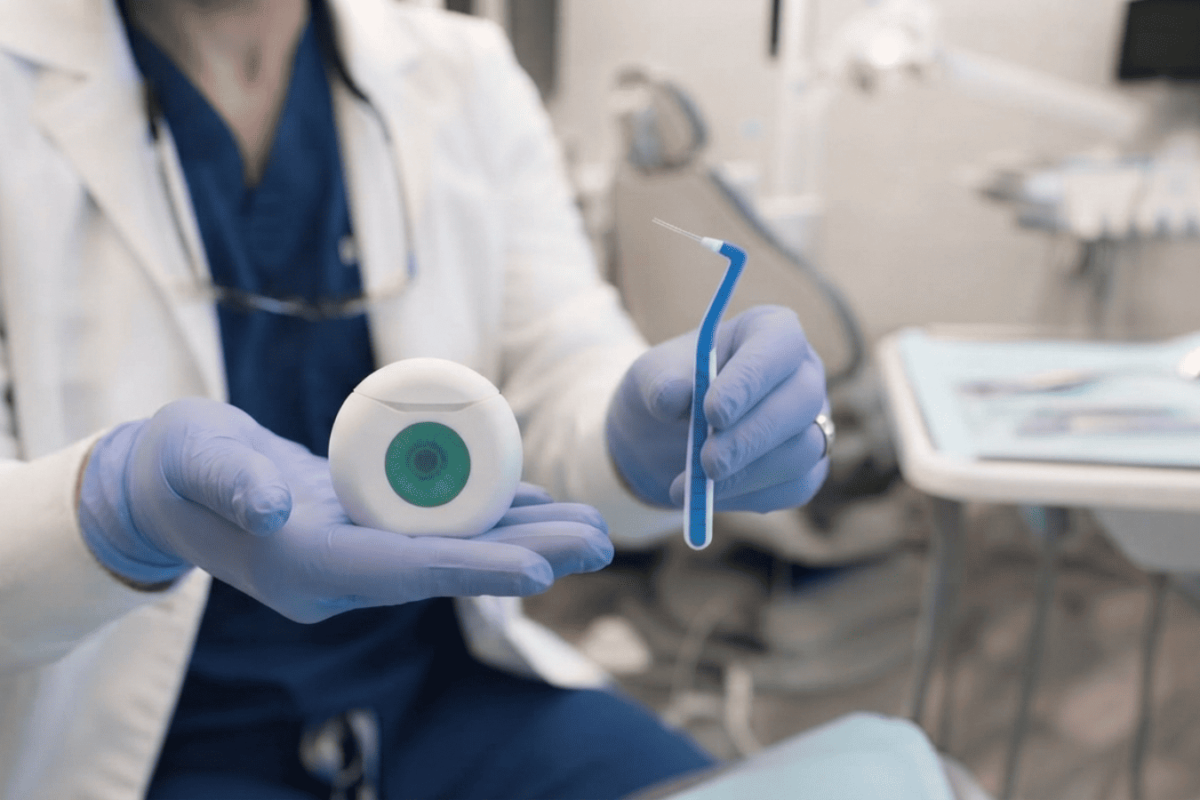
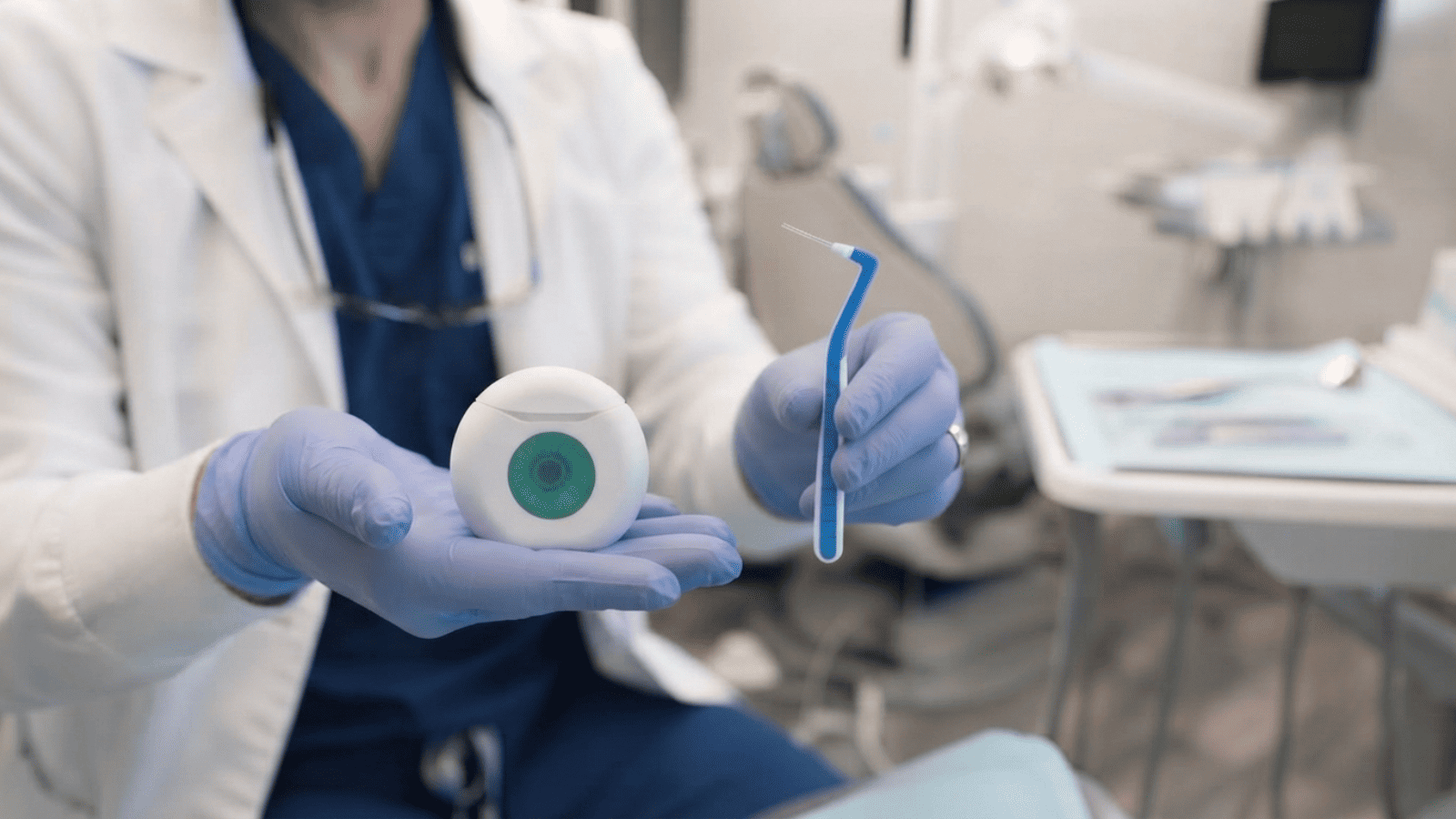
We often assume that if a patient is using interdental brushes (IDBs), the battle is won. However, a 2025 study suggests that simply “using” the tool isn’t enough. If we aren’t prescribing the specific ISO size, we are setting .
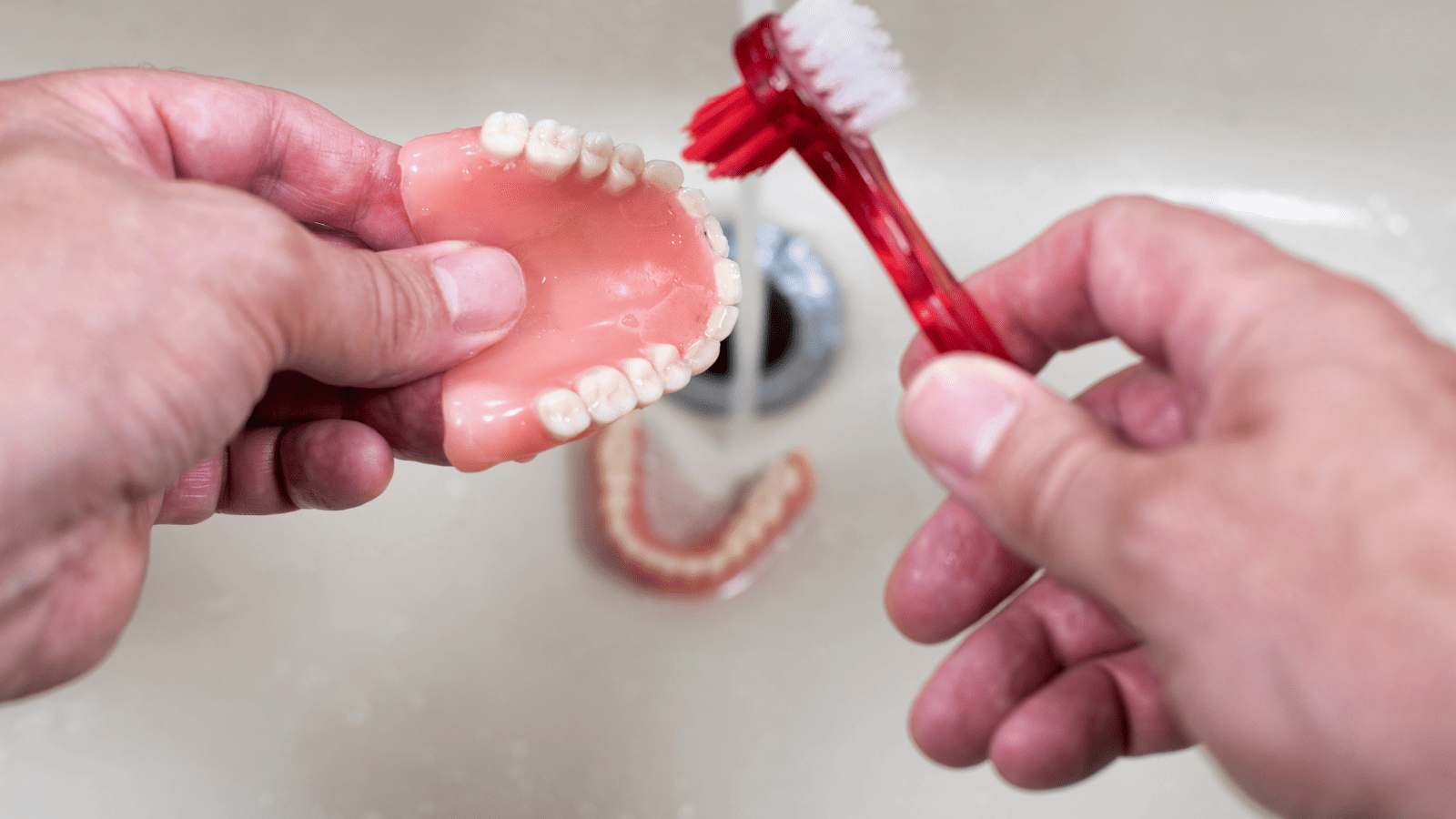
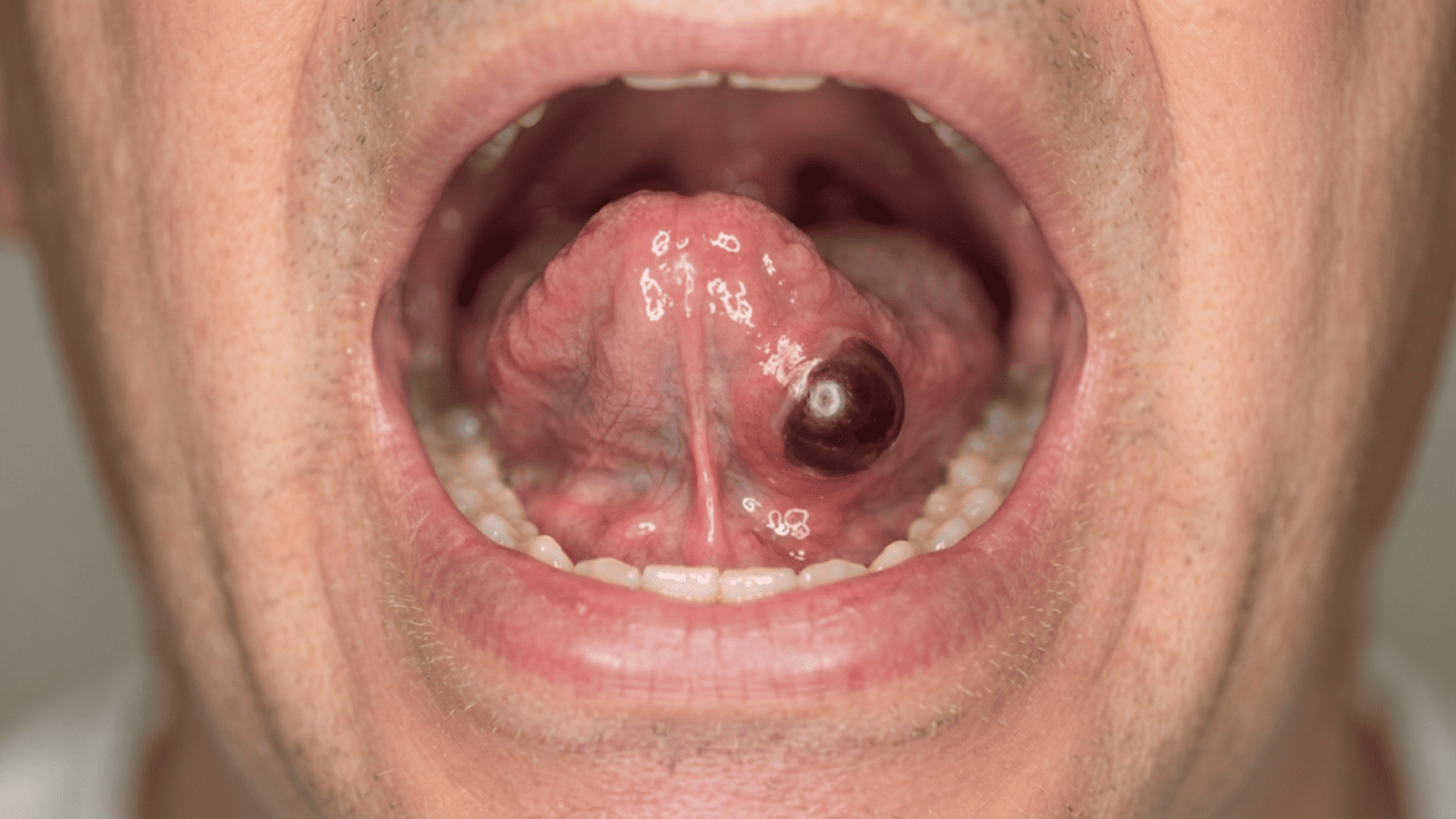
Dental clinicians often associate the geriatric appointment with complex restorative needs root caries, abfraction, and loose dentures. However, a 2025 retrospective study by Sharma et al. serves as a stark reminder that in high-risk populations, the most critical pathology .
In prenatal dental care, the “Second Trimester Safe Zone” (14–20 weeks) is often treated as dogma. We are trained to defer definitive care in the third trimester due to concerns regarding supine hypotensive syndrome and patient comfort. However, a .
Introduction The most frustrating day in an orthodontist’s life isn’t a broken bracket or a lost retainer—it is the day of debonding. You remove the appliance to reveal perfectly aligned teeth, only to find them framed by inflamed gingiva .