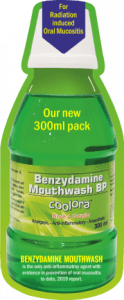
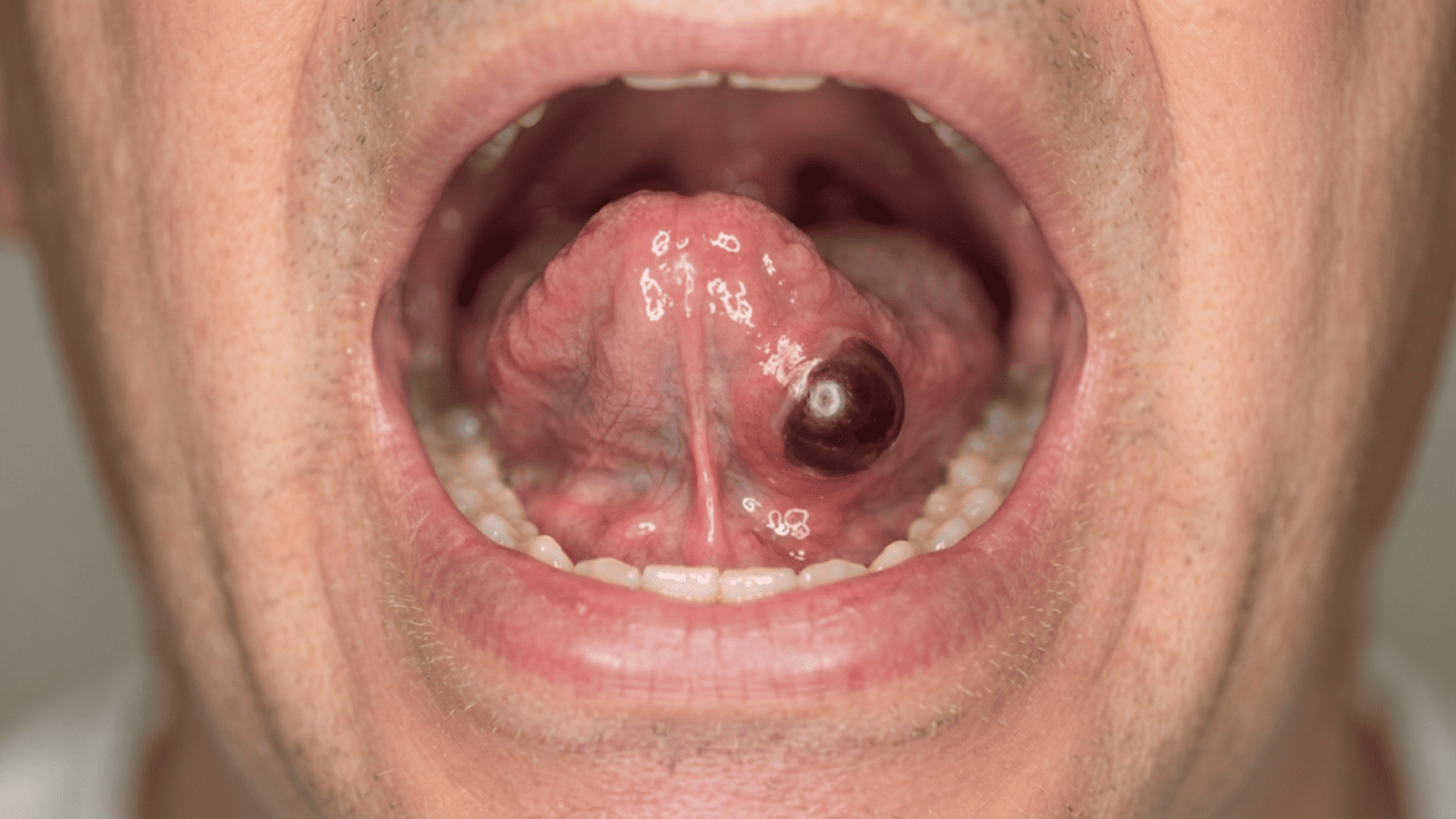
Introduction Head and neck cancers account for approximately 5% of all malignant tumors worldwide. Radiotherapy remains a cornerstone of treatment for many of these patients, but it can also lead to a range of oral complications that affect comfort, .
Category Archives: Uncategorized
Introduction Pregnancy is associated with profound hormonal changes that can significantly influence periodontal health. Even in women without periodontitis, elevated levels of estrogen and progesterone can amplify the gingival inflammatory response to dental plaque, resulting in pregnancy-associated gingivitis. Gingival .
Introduction The benefits of Bioactive Glass formulations (BGs) in dentistry are mainly attributed to their ability to react with saliva and other aqueous environments. These surface reactions enable the controlled release of biologically active ions that contribute to the .
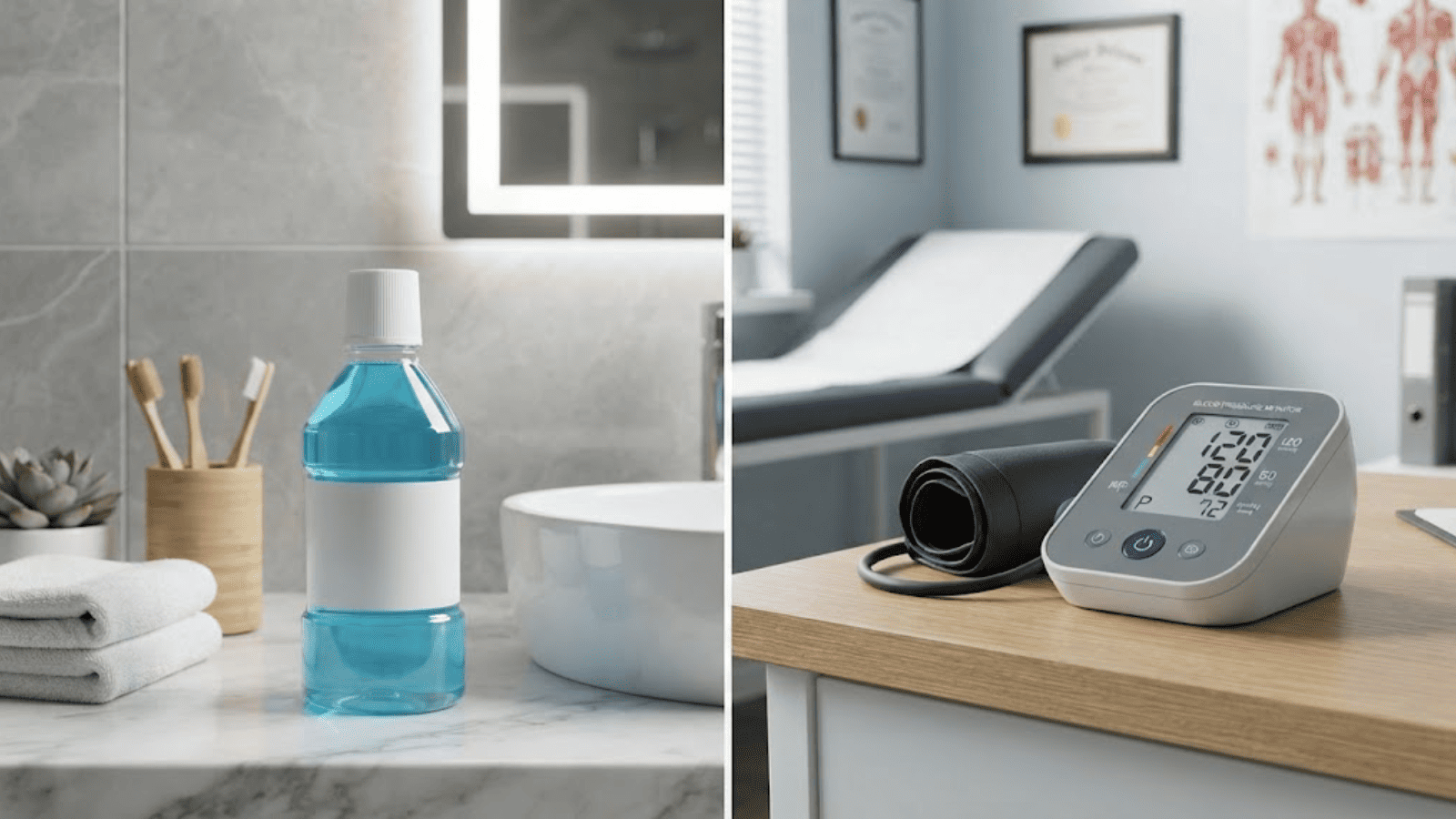
Preprocedural mouthwashes are used to reduce microbial load in aerosols generated during dental procedures. A recent network meta-analysis (Int Dent Hyg, 2026) compared the efficacy of commonly used mouthwashes and ranked them based on available evidence. The analysis included .
Dentine hypersensitivity is a frequent complaint, and patients often expect early relief. A recent randomized, examiner-blind study J Dent, 2026) evaluated the short- and medium-term efficacy of a 5% calcium-sodium phosphosilicate CSPS) toothpaste. The study included 215 participants with .
For decades, the management of severely compromised teeth has followed a predictable pattern. When attachment loss approaches the apex, the tooth is often labeled “hopeless.” From there, the treatment pathway becomes almost reflexive: extraction, followed by implant placement or .
When a patient presents with fiery red, peeling, and intensely painful gums, our clinical reflex is almost automatic: reinforce oral hygiene, prescribe an antimicrobial rinse, and schedule a follow-up. But what happens when the tissue simply refuses to heal? .
Every dentist who supports oncology patients knows the clinical heartbreak of Oral Mucositis (OM) . It is one of the most debilitating dose-limiting toxicities of antineoplastic therapy. When OM progresses to Grade 3 or 4, patients suffer severe ulceration, .
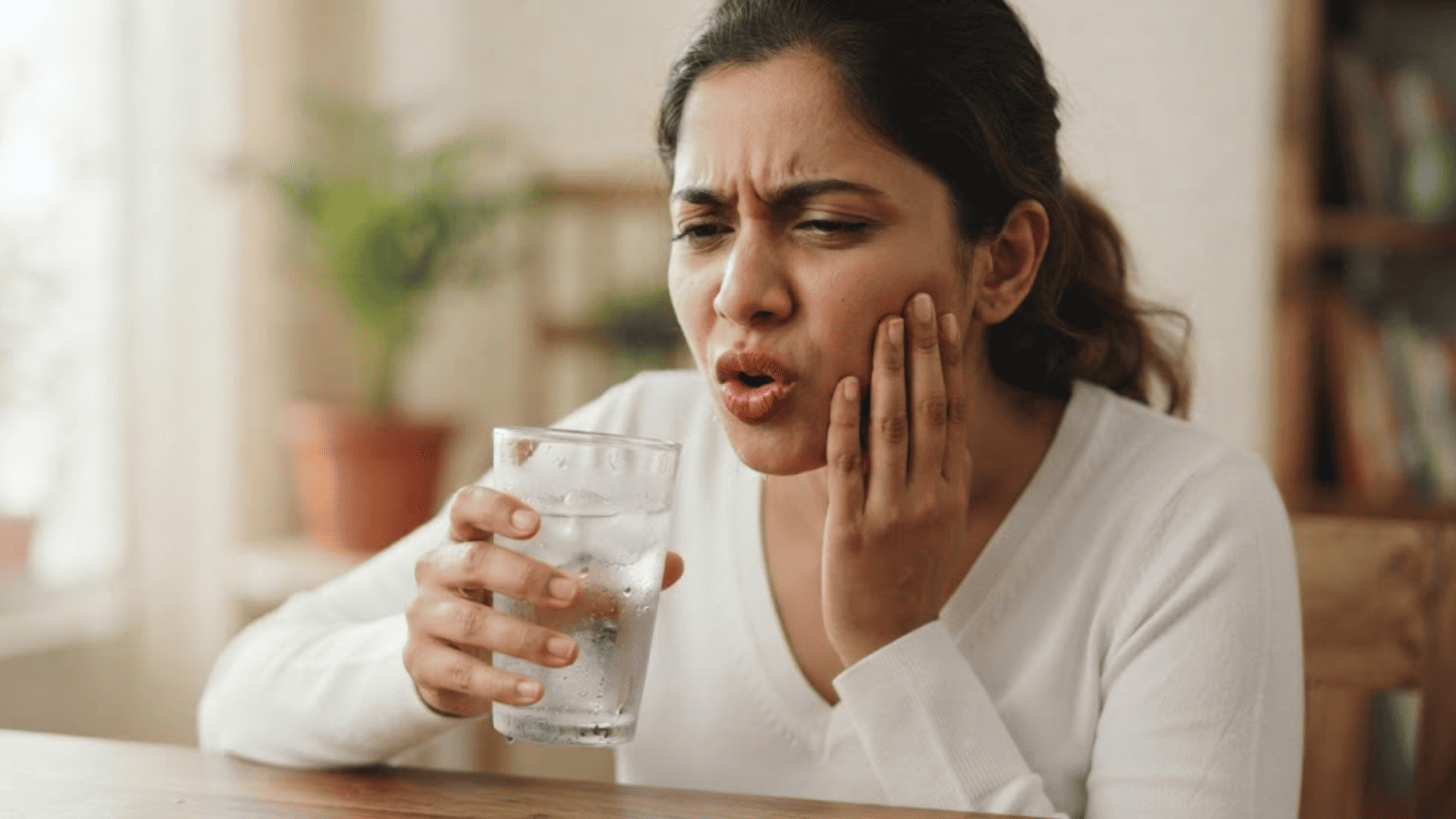
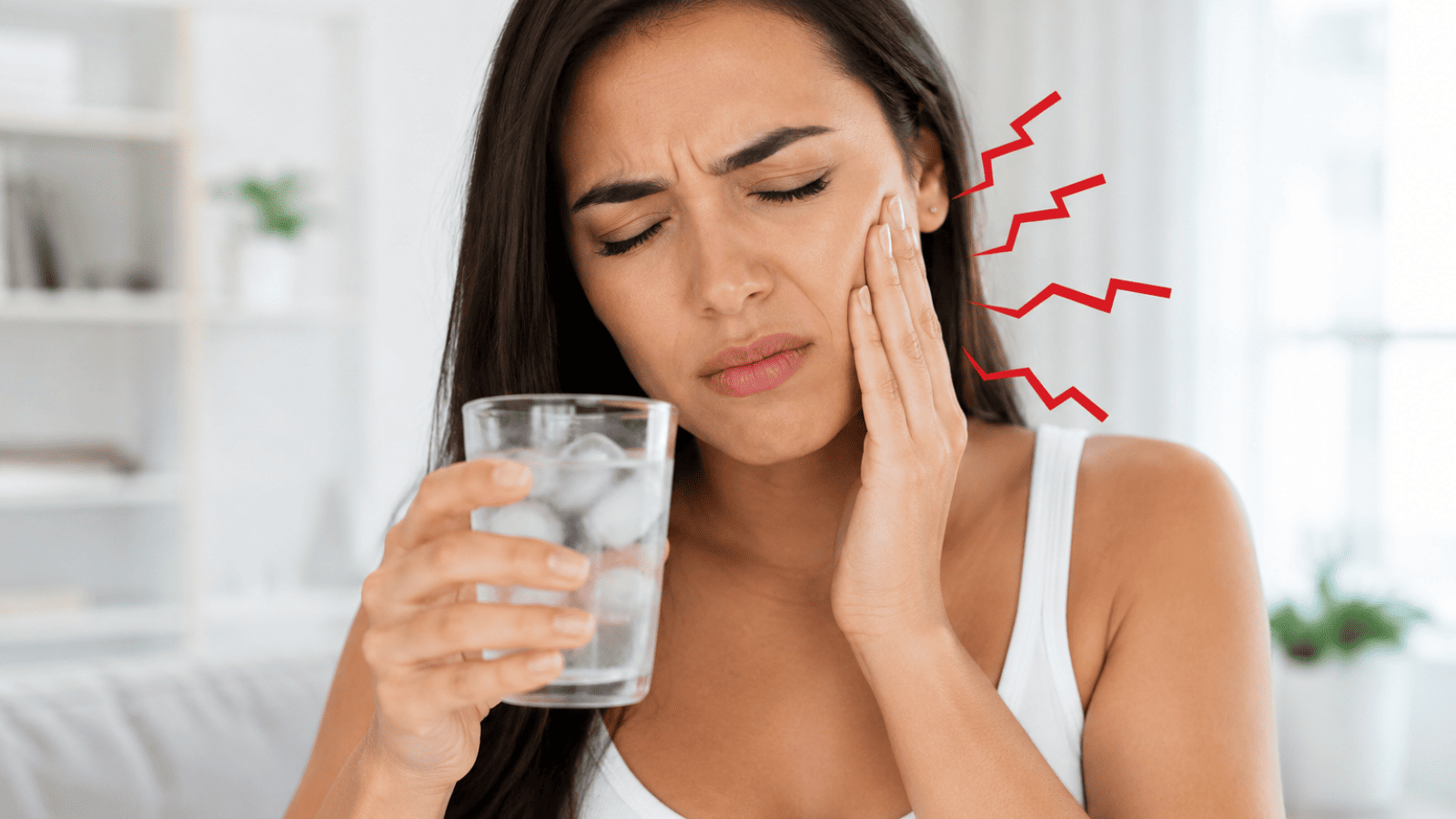
Dentinal hypersensitivity DH) presents as sharp pain when teeth are exposed to stimuli such as air, cold, or touch. Patients report discomfort during routine activities like brushing, drinking cold water, or breathing through the mouth. Managing this condition remains .
Introduction Oral Lichen Planus (OLP) presents a chronic management challenge for the dental professional. While topical and systemic corticosteroids remain the traditional first-line therapy, their long-term use is frequently limited by contraindications, patient intolerance, or the risk of secondary .