Pediatric
Pediatric
Showing all 6 results
-
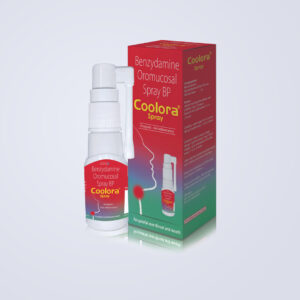

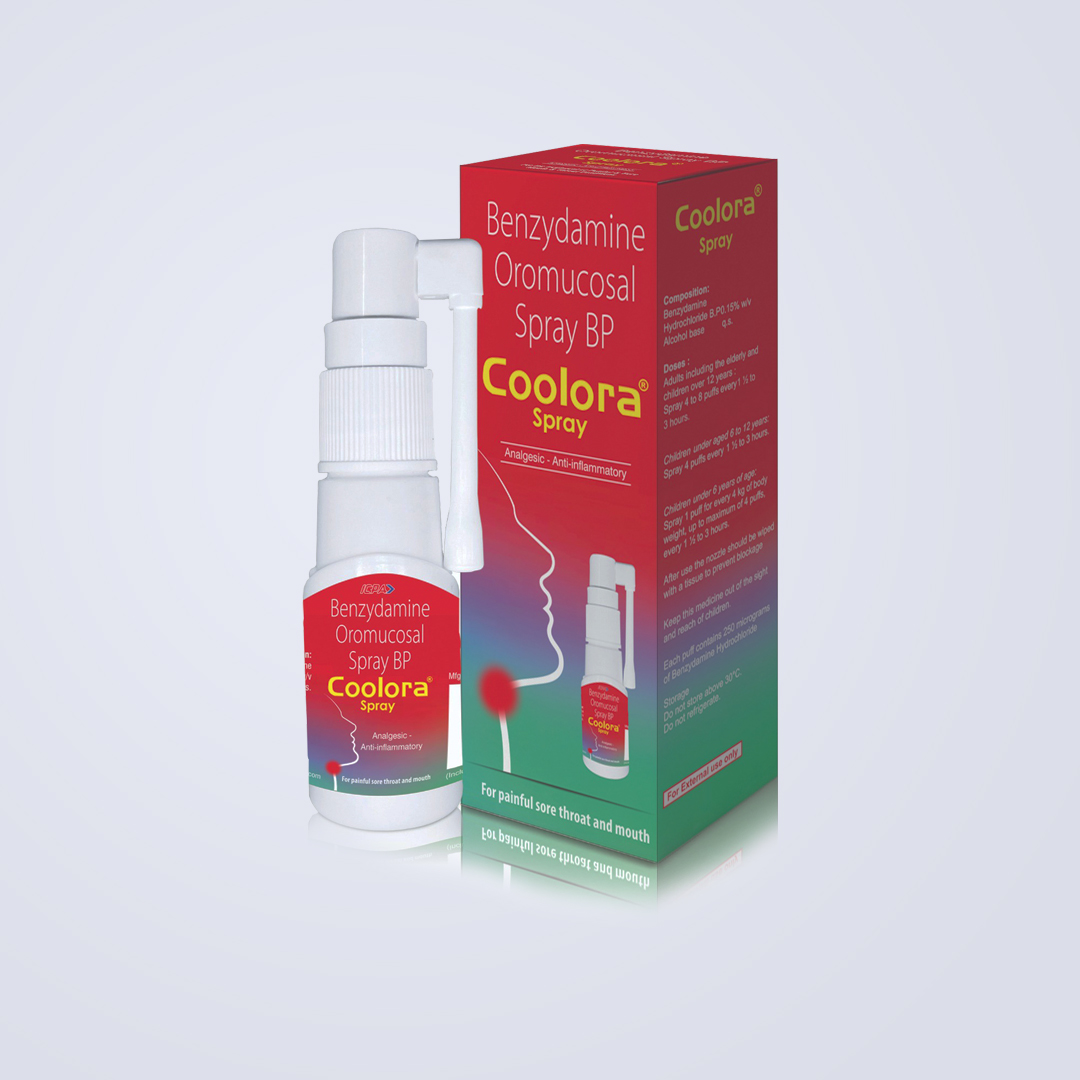
Coolora Spray 30ml
Quick ViewComposition:
Benzydamine hydrochloride BP 0.15% w/v in alcohol base
Each puff contains 250 micrograms of Benzydamine HydrochlorideMode of Action:
Coolora spray contains the active substance Benzydamine hydrochloride and belongs to a group of medicines called Non-Steroidal Anti-Inflammatory Drugs or NSAIDs. Benzydamine is an anti-inflammatory, analgesic with surface anesthetic effect.
Coolora spray works in the mouth and throat to inhibit the inflammatory processes and control pain and burning. It also gives instant relief by its surface anesthetic action.
Benzydamine acts by inhibiting the synthesis of pro-inflammatory cytokines, such as TNF- alpha and Interleukin- 1 beta ( IL-1β).
Indications:
Coolora spray is used to treat inflammatory painful conditions of the mouth or throat including:
- Post-tonsillectomy pain control Pharyngitis
- Laryngitis
- Oral mucositis
- Mouth ulcers and burning
Coolora Spray is effective at reaching the tonsils and posterior pharyngeal wall giving a significant & effective relief within 2 minutes.
Dose:
- Adults, adolescents, and elderly -Spray 4-8 puffs to sore area every 1 1⁄2to 3 hours
- Children 6- 12 years of age –Spray 4 puffs to the sore area every 1 1⁄2to 3 hours.
- Children under 6 years of age- Spray 1 puff for every 4 kilograms of body weight, up to a maximum of 4 puffs, to the sore area every 1 1⁄2 to 3 hours.
Warnings and Precautions:
Talk to your doctor before using Coolora Spray:
·If you have a strong history of asthma
·If you are allergic to acetylsalicylic acid or other non-steroidal anti-inflammatory drugs (NSAID)Presentation: 30 ml plastic bottle with metered dose valve pump
-
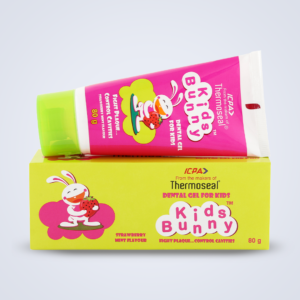
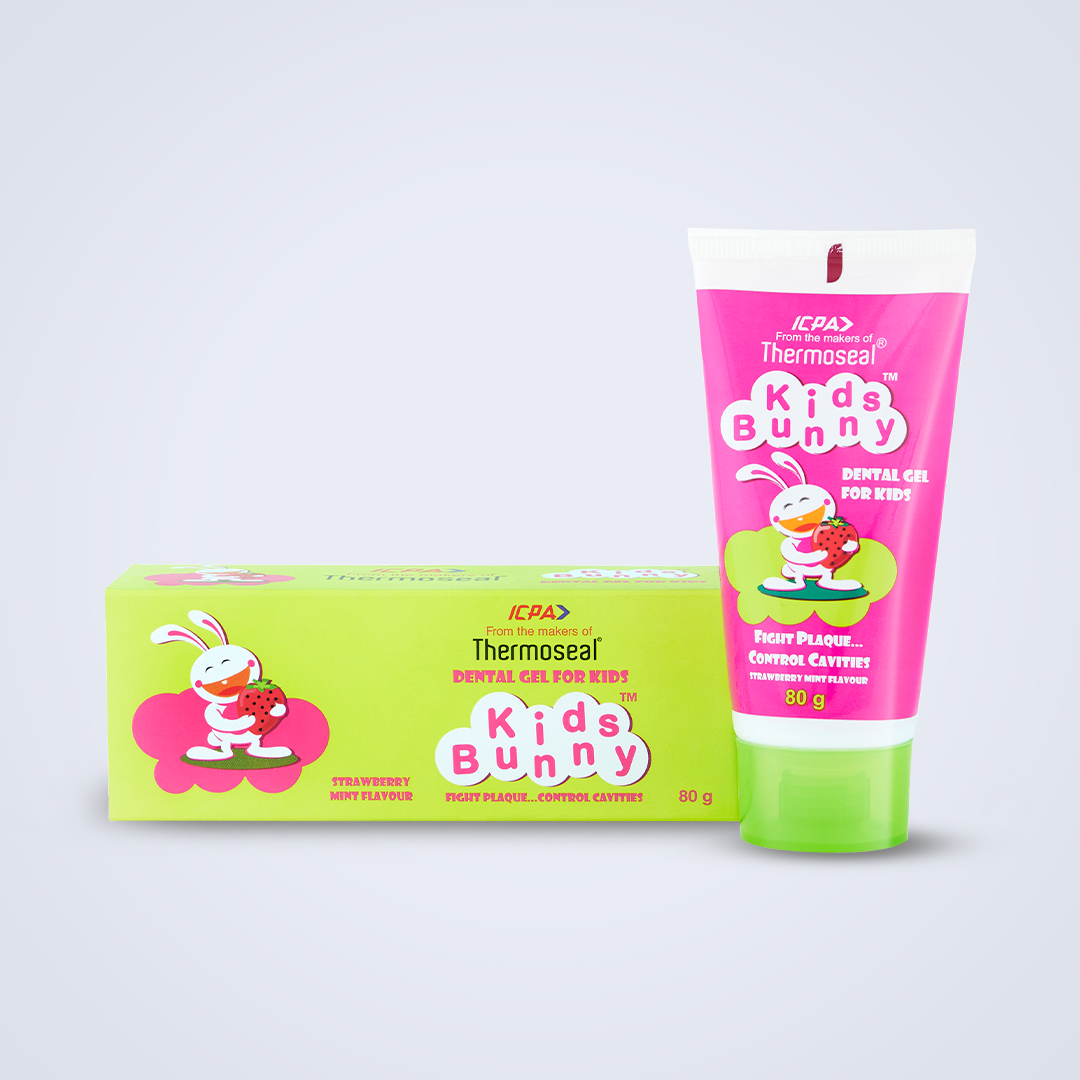
Kids Bunny Gel 80gm
Quick ViewComposition:
Foaming fluoridated toothpaste. Available fluoride content: 500 ppm when packed.
Use:
Aids in the prevention of dental caries, specially designed for kids.
1. Offers 500ppm of fluoride – ensures effective caries prevention.
2. Provides good foaming and long-lasting freshness.
3. Yummy strawberry mint flavor to encourage kids to brush.Direction for use:
Brush teeth twice a day or as directed by the dentist or physician. Children under 6 years of age should brush under parents’ supervision and use only a pea sized amount. Do not swallow. Protect from heat.
Presentation:
Lamitube of 80g (2.77 oz.)
-


Kids Dyny Toothbrush
Quick ViewUses:
1. Kids Dyny toothbrush has a small head that ensures easy maneuvering in your child’s mouth.
2. Easy grip handle to ensure that the brush won’t slip.
3. Regular use helps to remove plaque from your kid’s tooth surfaces that can lead to cavities and gum disease.
4. The best quality nylon bristles of 0.007-inch diameter – soft and firm enough to effectively brush your kid’s teeth and reach between the gaps.
5. The bristles tend to fray as babies chew on them. So, dentists and hygienists recommend replacing toothbrushes every 3 months.Presentation:
1 toothbrush.
-
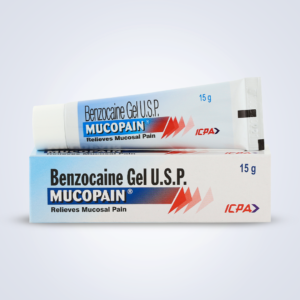
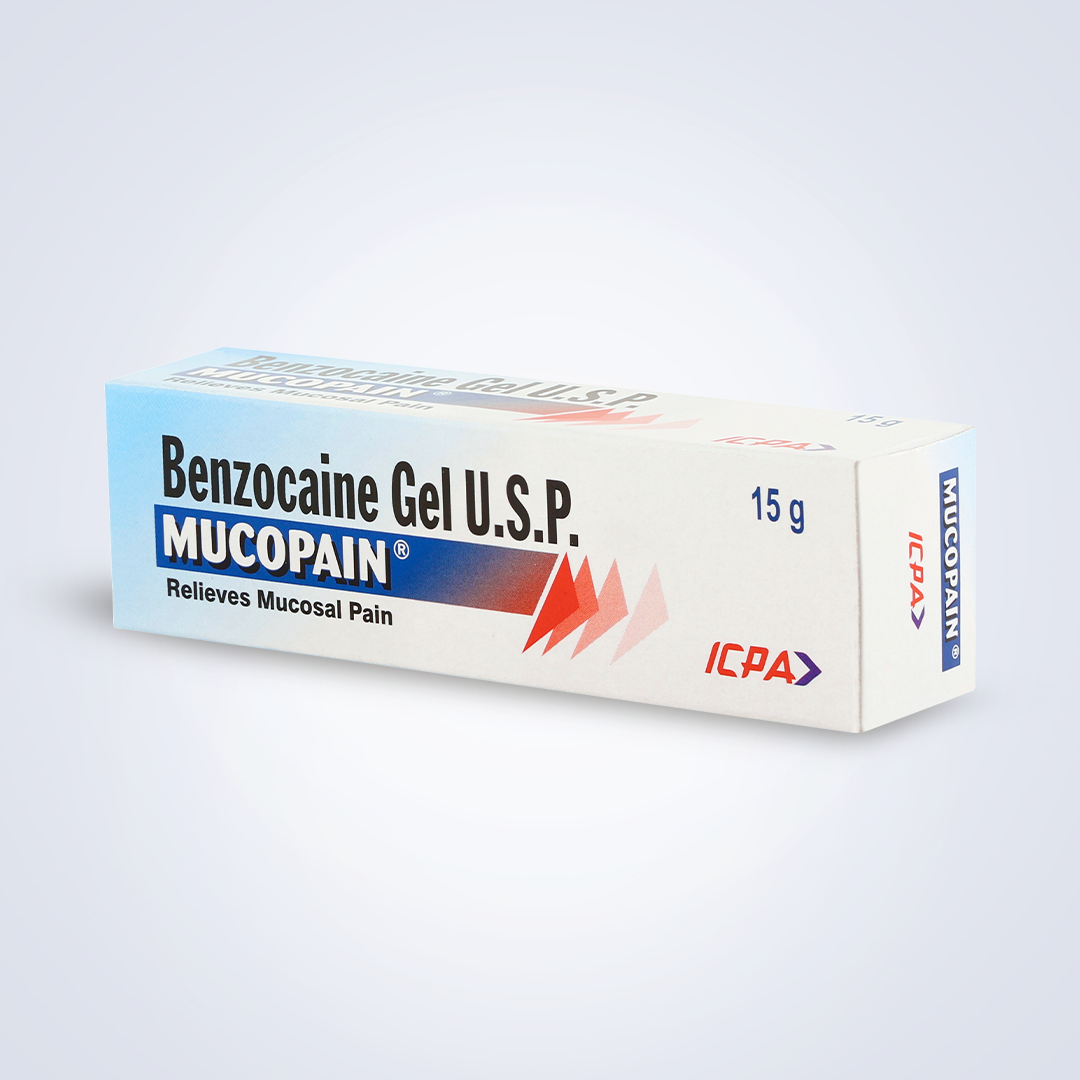
Mucopain 15gm
Quick ViewComposition:
Benzocaine I.P. 20% w/w in a water-miscible base Topical anaesthetics come in various dosage forms, such as gels, sprays, creams, ointments, patches to provide the clinicians with precise options for application under various situations.
Understanding Benzocaine:
Benzocaine is an ester type molecule used for topical (surface) anaesthesia in a variety of settings, including dental procedures, preparation for infiltration anesthesia, and pain relief minor traumas to oral mucosa.
Topical anaesthetic agents such as Benzocaine penetrate the oral mucosa effectively and offer local anaesthetic activity that lasts for 10-20 minutes. The poor water solubility of Mucopain makes it safe for topical use. Local anaesthetics reversibly block nerve transmission, when applied to a limited area of the body. They bind to the sodium channels in the nerve membrane and prevent the entry of sodium ions in response to the membrane’s depolarization.
Mechanism of action:
1. Benzocaine acts by reversibly binding to and inhibiting sodium channels in the neuronal cell membrane.
2. Benzocaine first enters the cell in a nonionized form and then becomes ionized after traveling through the membrane bilayer.
3. Once ionized, benzocaine starts inhibiting the voltage-gated sodium channels by binding to their alpha subunit.
4. This binding stops cellular depolarization and minimizes the chances of action potential generation.
5. Benzocaine can bind more easily to sodium channels when they are in an open configuration.
6. The pKa value of local anesthetics is critical as it helps to determine their onset of action. Since benzocaine’s pKa value is relatively low (2.6) in comparison to other local anesthetics, its onset of action is quick, its rate of action is fast and relatively pH-independent.Indications:
For topical anaesthesia of all accessible mucous membrane, except eyes. For temporary local relief of pain associated with dental conditions and oropharyngeal disorders.
1. Nutritional deficiency induced ulcers
2. Traumatic ulcers, such as lip bite, cheek bite
3. Treatment induced ulcers: due to orthodontic appliances, oral surgical appliances, dentures
4. Mucosal injuries during instrumentation in dental procedures
5. Ulcers from autoimmune disorders, such as lichen planus, pemphigoid, pemphigus.
6. Oral submucous fibrosis (OSMF)
7. Oral ulcers in cancer patientsDirections for use:
For oral mucosal use only, as directed by a dentist. For the temporary relief of pain due to ulcers, or injuries from minor dental procedures.
Warning:
Discontinue medication and consult a doctor if sensitivity or irritation occurs. Safe use of Mucopain is not established during pregnancy on the foetus. Do not cover the affected area with cotton or other material. Not for infant use.
Methemoglobinemia warning
Use of this product may cause methemoglobinemia, a serious condition that warrants prompt clinical management because it reduces the amount of oxygen carried in the blood. This can occur even if one has used this product before. Stop use and seek immediate medical attention if you or a user in your care develops any of the following:
- pale, gray, or blue-colored skin (cyanosis)
- headache
- rapid heart rate
- shortness of breath
- dizziness or lightheadedness
- fatigue or lack of energy
Presentation:
Lamitube of 15g (0.52 oz)
-

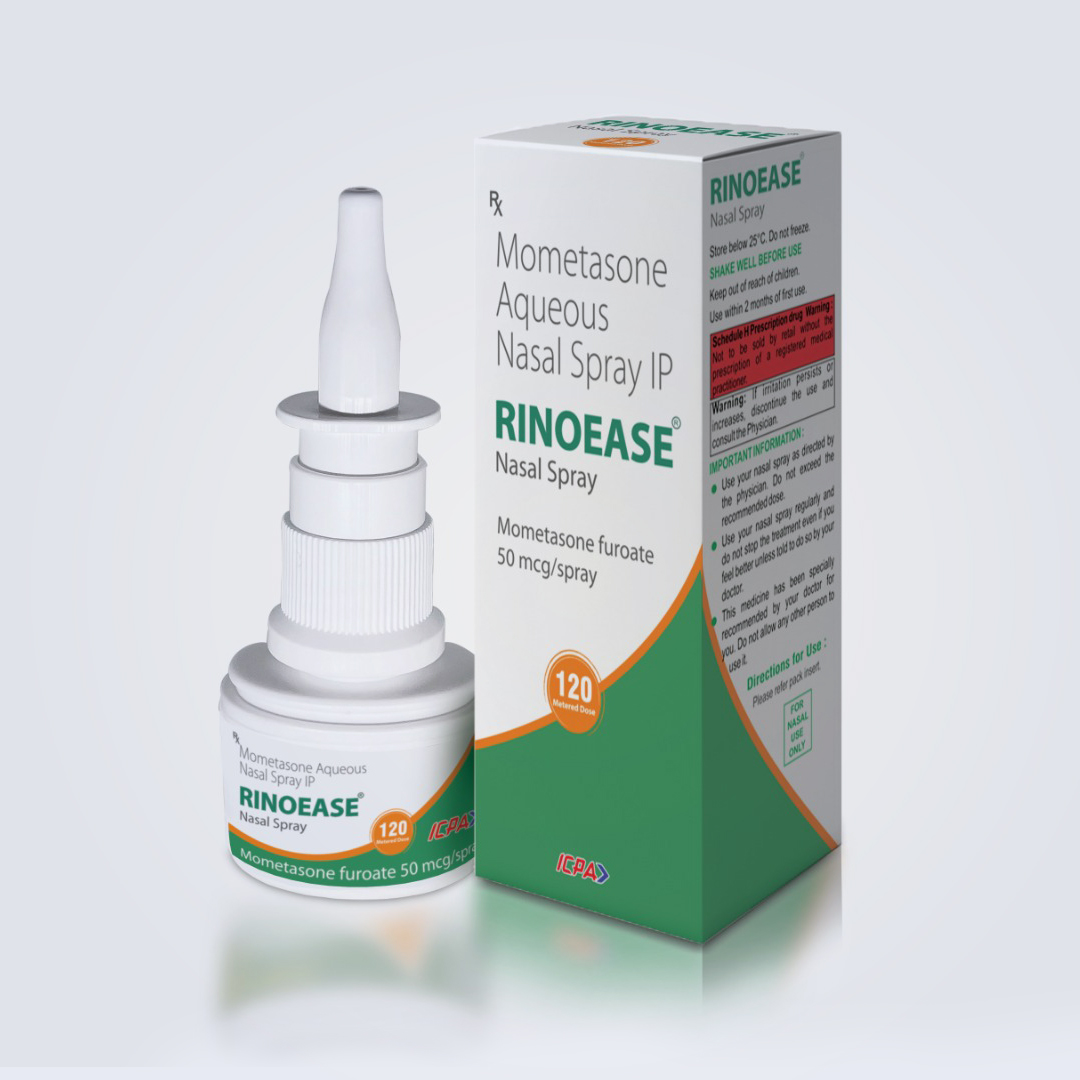
Rinoease Nasal Spray
Quick ViewDOSAGE FORM: Aqueous intranasal spray For use by adults and children 12 years and over.
DESCRIPTION: Mometasone aqueous nasal spray is a synthetic trifluorinated corticosteroid with potent anti-inflammatory activity. The precise mechanism through which Mometasone Furoate affects rhinitis symptoms is not known.
INDICATIONS: Seasonal Allergic or Perennial Rhinitis, Nasal polyposis, Acute Rhinosinusitis, Adjunctive treatment of acute episodes of sinusitis. Mometasone Aqueous Nasal spray is indicated for the treatment of the
symptoms of seasonal and perennial allergic rhinitis in patients aged 12 years and older.DOSAGE AND ADMINISTRATION :
Adult and Adolescents (12 years of age and older): The recommended starting dosage is 2 sprays in each nostril once daily. When the maximum benefits have been achieved and symptoms have been controlled, reducing the dosage to 1 spray in each nostril once daily may be effective in maintaining control of allergic rhinitis symptoms. Children (2 to 11 Years of Age): As advised by the physician.ADMINISTRATION: Before administration of the first dose, shake the container well and actuate the pump 10 times (until a uniform spray is obtained). If the pump is not used for 14 days or longer, reprime the pump with 2 actuations until a uniform spray is observed before the next use.
CONTRAINDICATIONS: Mometasone Aqueous Nasal spray is contraindicated in patients with a hypersensitivity to Mometasone furoate or any of the ingredients.
WARNING AND PRECAUTIONS :
1. Use in pregnancy and lactation: Mometasone Aqueous nasal spray should be used during pregnancy only if the potential benefits justify the potential risk to the fetus.
2. Hypoadrenalism may occur in infants born to mothers receiving corticosteroids during pregnancy. Such infants should be carefully monitored. Since there is no data from controlled trials on the use of intranasal Mometasone Aqueous by nursing mothers, caution should be exercised when Mometasone Aqueous nasal spray is administered to a nursing mother.
3. Use in hepatic and renal impairment: Since Mometasone Furoate undergoes extensive first-pass metabolism by the hepatic cytochrome P450 isozyme, CYP3A4, the pharmacokinetics of Mometasone Furoate may be altered in patients with hepatic impairment. Therefore, use Mometasone Aqueous nasal spray with caution in patients with severe hepatic impairment. No dosage adjustment is required in patients with renal impairment.UNDESIRABLE EFFECTS:
The most common adverse events reported with Mometasone Furoate use are headache, epistaxis, pharyngolaryngeal pain, nasal ulceration, back pain, pyrexia headache, epistaxis, pharyngolaryngeal pain, nasal ulceration, back pain, pyrexia and coughPRESENTATION :
Plastic bottle with spray pump and over cap – 120 metered doses/pack.IMPORTANT INFORMATION :
1. Use your nasal spray as directed by the physician. Do not exceed the recommended dose.
2. Use your nasal spray regularly and do not stop the treatment even if you feel better unless told to do so by your doctor.
3. This medicine has been specially recommended by your doctor for you. Do not allow any other person to use itSTORAGE :
Store below 25°C. Do not freeze.SHAKE WELL BEFORE USE
Keep out of reach of children.
Use within 2 months of first use -
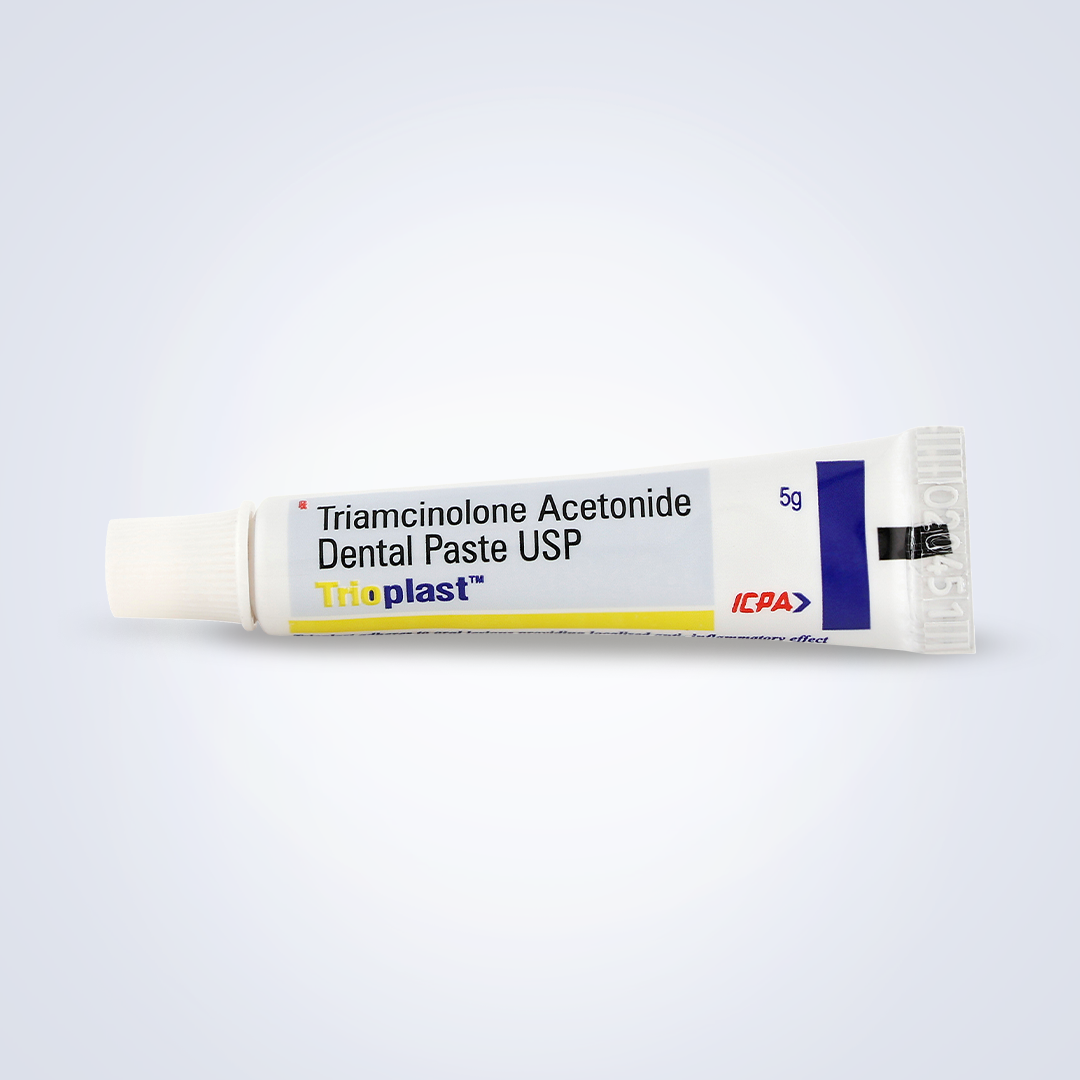
Trioplast 5gm
Quick ViewComposition:
Triamcinolone acetonide IPNSP 0.1%w/w, Oral paste – QS.
Preservatives: Methyl paraben IP/USP0.2%wlw, Propyl paraben IP/USP0.02%w/w. Triamcinolone Acetonide is a synthetic glucocorticoid with anti-inflammatory and immunosuppressive properties.Components that improve the action of Triamcinolone:
Retention: Carboxy Methyl Cellulose: Moisture retention for faster healing
Protection: Pectin: Gelling agent with protective coating
Release: Gelatin facilitates controlled release of steroid
Clinical conditions:
Recurrent Aphthous Stomatitis (RAS)
Recurrent aphthous stomatitis (RAS), commonly known as “canker sores”, is a form of benign inflammation of the oral mucosa. Although the term “canker sores” is commonly used to describe any abnormality of the mouth, the term, strictly refers to painful oral ulcers that come and go over time.
Recurrent aphthous stomatitis affects 1 in 5 persons and usually begins in adolescence and teenage years. During an episode, it may present with 1-5 painful ulcers that last for 1 – 2 weeks. These ulcers are typically seen on the inner cheeks, inner lips, underside of the tongue, or soft palate. Just before the appearance of an ulcer, one may feel a burning sensation or a lump in the area. Ulcers may be considered minor if they are less than 1⁄2 inch and heal in less than two weeks without scarring. They are called major if they are greater than 1⁄2 inch, take longer than two weeks to heal and leave scars. Some patients may have multiple recurrent crops of small, pinpoint, painful ulcers known as herpetiform RAS (these ulcers are not related to herpes virus infection). Patients are considered to have severe RAS when they have continuous ulcers with few, if any, ulcer-free periods, regardless of the size and/ or number of lesions.
Desquamative Gingivitis
The term “desquamative” comes from the Latin word “desquamare,” meaning to scrape fish scales. Desquamation refers to the shedding of epithelium, leading to skin or mucous membrane exfoliation. Desquamative gingivitis (DG) is a clinical description of gingiva marked by severe redness, peeling, vesicles, or bullae that can result in ulcers. It affects both the free and attached gingival mucosa. DG represents a clinical manifestation of various diseases.
The most common culprits include dermatological conditions like lichen planus (LP) in 70-75% of cases, cicatricial pemphigoid (CP) in 9-14% of cases, and pemphigus vulgaris (PV) in 4-13% of cases.
Oral Submucous Fibrosis
Oral submucous fibrosis (OSMF) is a precancerous condition with chances of malignant transformation in 1.5–15% of the cases. OSMF is mainly caused by chewing betel nut, which is accelerated by addition of tobacco. Other risk factors include genetic predisposition, autoimmunity, nutritional deficiencies, human papilloma virus (HPV) infection, consumption of spicy foods, and more.
OSMF is characterized by chronic inflammation, excessive collagen deposition in the submucosal (the connective tissue below the oral mucosal epithelium) layers, local inflammation in the deep connective tissues, and degenerative changes in the muscles. OSMF patients complain of severe burning sensation in the mouth while eating spicy foods. They also experience xerostomia (dry mouth), restricted mouth opening, restricted tongue mobility, dysphagia, and many other symptoms.
Indications:
TRIOPLAST is indicated for:
- Inflammatory disorders of the mouth
- Painful ulcers, lesions of oral mucosa
- Recurrent and resistant aphthous ulcers
- Desquamative gingivitis, mucositis, and stomatitis
- Ulcerative conditions associated with Oral lichen planus, pemphigus, and pemphigoid Oral submucous fibrosis
- Non-healing ulcers of the oral mucosa, in cancer and non-cancer conditions
- Contact cheilitis
- Hemangioma
- Erythema multiforme
Contraindications:
This preparation is contraindicated in patients with a history of hypersensitivity to any of its components . Because it contains a corticosteroid, the preparation is contraindicated in the presence of fungal, viral or bacterial infections of the mouth or throat.
Directions for use:
Squeeze out about a 1/4th of an inch long ribbon of TRIOPLAST on the tip of a clean & dry finger. Apply with little pressure to the lesion until a thin film develops. Hold in position until it become sticky. The preparation should be applied at bedtime to permit steroid contact with the lesion throughout the night. Depending on the severity of symptoms, it may be necessary to apply the preparation two to four times a day, preferably after meals. Do not eat or drink for half an hour after applying TRIOPLAST.
Storage:
Store below 30’C.
Presentation:
Trioplast 0.1% oral paste is supplied in 5gm laminated tube containing 1mg of triamcinolone acetonide per gram of paste.


Quick Enquiry