GP (Medical)
GP (Medical)
Showing all 9 results
-
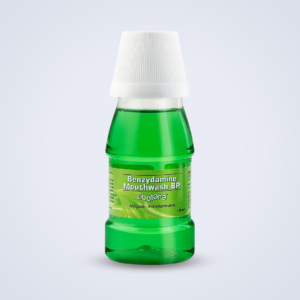

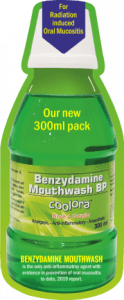
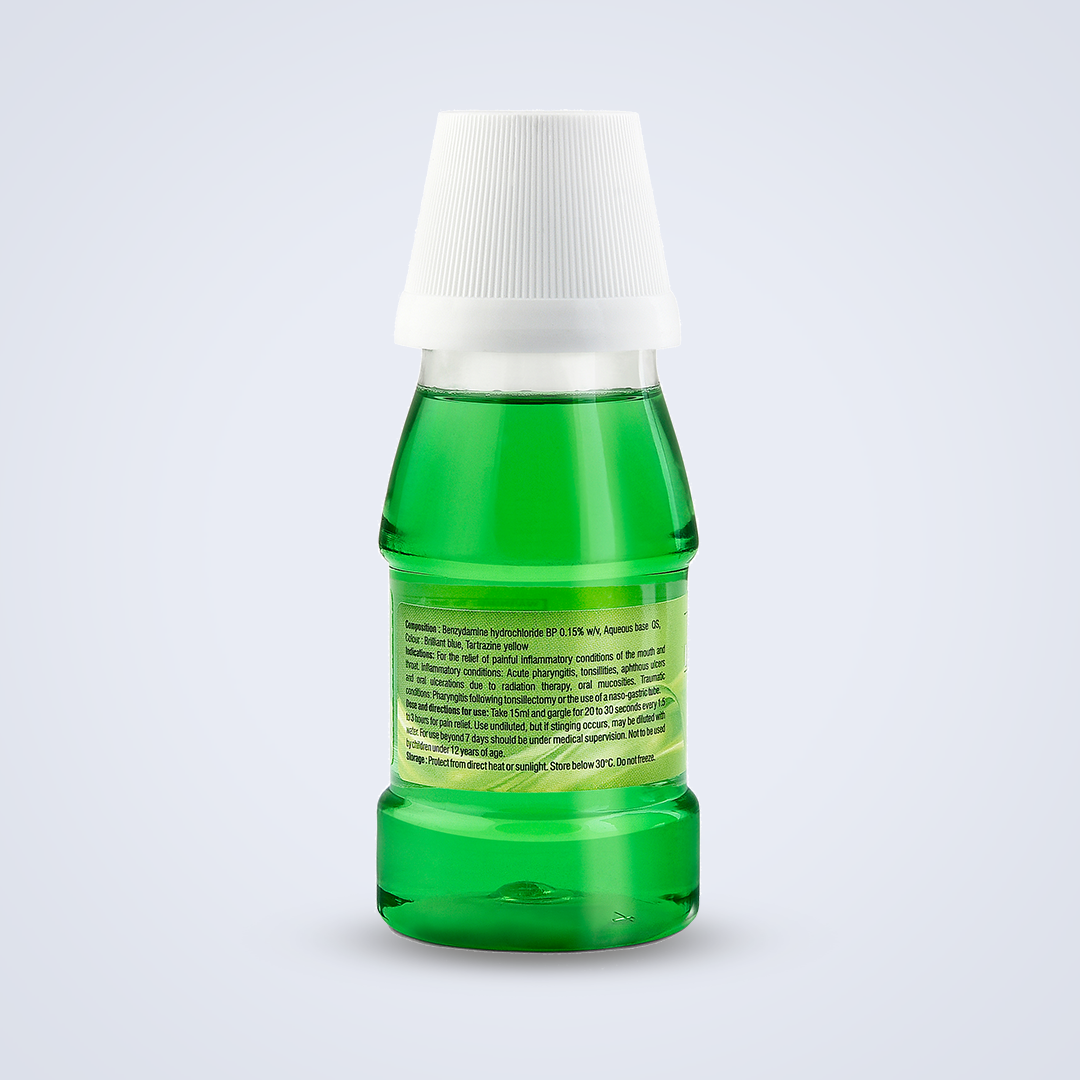
Coolora 100ml
Quick ViewComposition:
Benzydamine hydrochloride BP 0.15 %w/v with Brilliant Blue and Tartarazine Yellow color in Aqueous base
Understanding Benzydamine hydrochloride:
Benzydamine hydrochloride is an anti-inflammatory, analgesic with anaesthetic action that can provide instant relief from a variety of painful inflammatory conditions of the oropharyngeal region when used as a rinse/ gargle.
Benzydamine shows some properties that are common with other nonsteroidal antiinflammatory drugs (NSAIDs) but also displays properties which are different from other NSAIDs.
Ref: Segre G, Hammarström S. Aspects of the mechanisms of action of benzydamine.
Int J Tissue React. 1985;7(3):187-93. PMID: 4044146.
Link: https://pubmed.ncbi.nlm.nih.gov/4044146/
Benzydamine inhibits prostaglandin and thromboxane biosynthesis at high concentrations,
which can be reached by topical application of the drug.Ref: Segre G, Hammarström S. Aspects of the mechanisms of action of benzydamine.
Int J Tissue React. 1985;7(3):187-93. PMID: 4044146.
Link: https://pubmed.ncbi.nlm.nih.gov/4044146/
Benzydamine mouthwash is considered the gold standard among anti-inflammatory agents in the management of oral mucositis in cancer patients.
Ref: Benzydamine Oro-mucosal Solution in Oral Mucositis. ClinicalTrials.gov
(NCT05055726), NIH U.S. National Library of Medicine, Sept 2021
Link:https://clinicaltrials.gov/ct2/show/NCT05055726
International guidelines and recommendations for Oral Mucositis (OM): Benzydamine is recommended
International guidelines in the management of oral mucositis were published in 2004 and then updated in 2007 and 2014. The Multinational Association of Supportive Care in Cancer and International SocietyOral Oncology (MASCC/ISOO) clinical practice guidelines (2014)recommend that benzydamine mouthwash be used to prevent OM in patients with cancer (level I evidence) – this is in agreement with the meta-analyses conducted in 2020.
Ref: Lalla RV, Bowen J, Barasch A, Elting L, Epstein J, Keefe DM, McGuire DB, Migliorati C, Nicolatou- Galitis O, Peterson DE, Raber-Durlacher JE, Sonis ST, Elad S; Mucositis Guidelines Leadership Group of the Multinational Association of Supportive Care in Cancer and International Society of Oral Oncology (MASCC/ISOO). MASCC/ISOO clinical practice guidelines for the management of mucositis secondary to cancer therapy.
Cancer. 2014 May 15;120(10):1453-61. doi: 10.1002/cncr.28592. Epub 2014 Feb 25.
Erratum in: Cancer. 2015 Apr 15;121(8):1339. PMID: 24615748; PMCID: PMC4164022.
Bayesian network analysis (2020)
Chamomile, honey, curcumin and benzydamine mouthwashes may be the most advantageous in terms of the prevention of intolerable Oral Mucositis.
Ref: Zhang X, Sun D, Qin N, Liu M, Zhang J, Li X. Comparative prevention potential of 10 mouthwashes on intolerable oral mucositis in cancer patients: A Bayesian network analysis. Oral Oncol. 2020 Aug;107:104751. doi: 10.1016/j.oraloncology.2020.104751.
Epub 2020 May 7. PMID: 32388411.
Link: https://www.sciencedirect.com/science/article/abs/pii/S1368837520301871
Network Meta-analysis (2020)
A total of 28 RCTs involving 1861 patients were included. The results of network meta- analysis showed that chlorhexidine, benzydamine, honey, and curcumin were more effective than placebo (P < 0.05).
Ref: Yu YT, Deng JL, Jin XR, Zhang ZZ, Zhang XH, Zhou X. Effects of 9 oral care solutions on the prevention of oral mucositis: a network meta-analysis of randomized controlledtrials. Medicine (Baltimore). 2020 Apr;99(16):e19661. doi: 10.1097/MD.0000000000019661.
PMID: 32311938; PMCID: PMC7220734.Benzydamine mouthwash is the only anti-inflammatory agent with evidence in the prevention of Oral Mucositis to date.
Ref: Ariyawardana A, Cheng KKF, Kandwal A, Tilly V, Al-Azri AR, Galiti D, Chiang K, Vaddi A, Ranna V, Nicolatou- Galitis O, Lalla RV, Bossi P, Elad S; Mucositis Study Group of the
Multinational Association of Supportive Care in Cancer/International Society for Oral Oncology (MASCC/ISOO). Systematic review of anti-inflammatory agents for the management of oral mucositis in cancer patients and clinical practice guidelines.
Support Care Cancer. 2019 Oct;27(10):3985-3995. doi: 10.1007/s00520-019-04888-w.
Epub 2019 Jul 8. PMID: 31286230.
Clinical indications:
1. Burning mouth due to various types of desquamative gingivitis: Lichen planus, pemphigoid types, pemphigus, and more
2. Burning mouth due to oral submucous fibrosis
3. Various red & white lesions affecting the oral mucosa.
4. Generalized oropharyngeal ulcers due to nutritional deficiency or infections.
5. Oral mucositis during and after cancer therapy.
6. Multiple oral mucosal injuries due to orthodontic appliances, oral surgery appliances
7. Painful sore throat, painful dysphagia.Coolora rinse / gargle provides instant relief from painful inflammatory conditions of the oro-pharyngeal region and helps patients get back on track with their essential life activities, such as eating, drinking, speaking, swallowing, etc.
Dosage & Administration:
Adults and Elderly:
Rinse or gargle with 15 ml (approximately 1 tablespoonful) every 11⁄2 to 3 hours as required for pain relief. The solution should be expelled from the mouth after use. Professional advice recommended. CHILDREN: Not suitable for children aged 12 years or under.
Presentation:
PET bottles of 100ml with 15ml measuring cap.
-
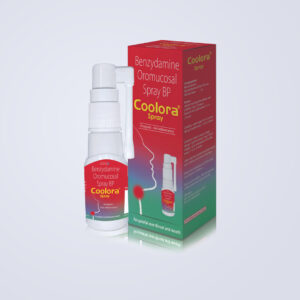
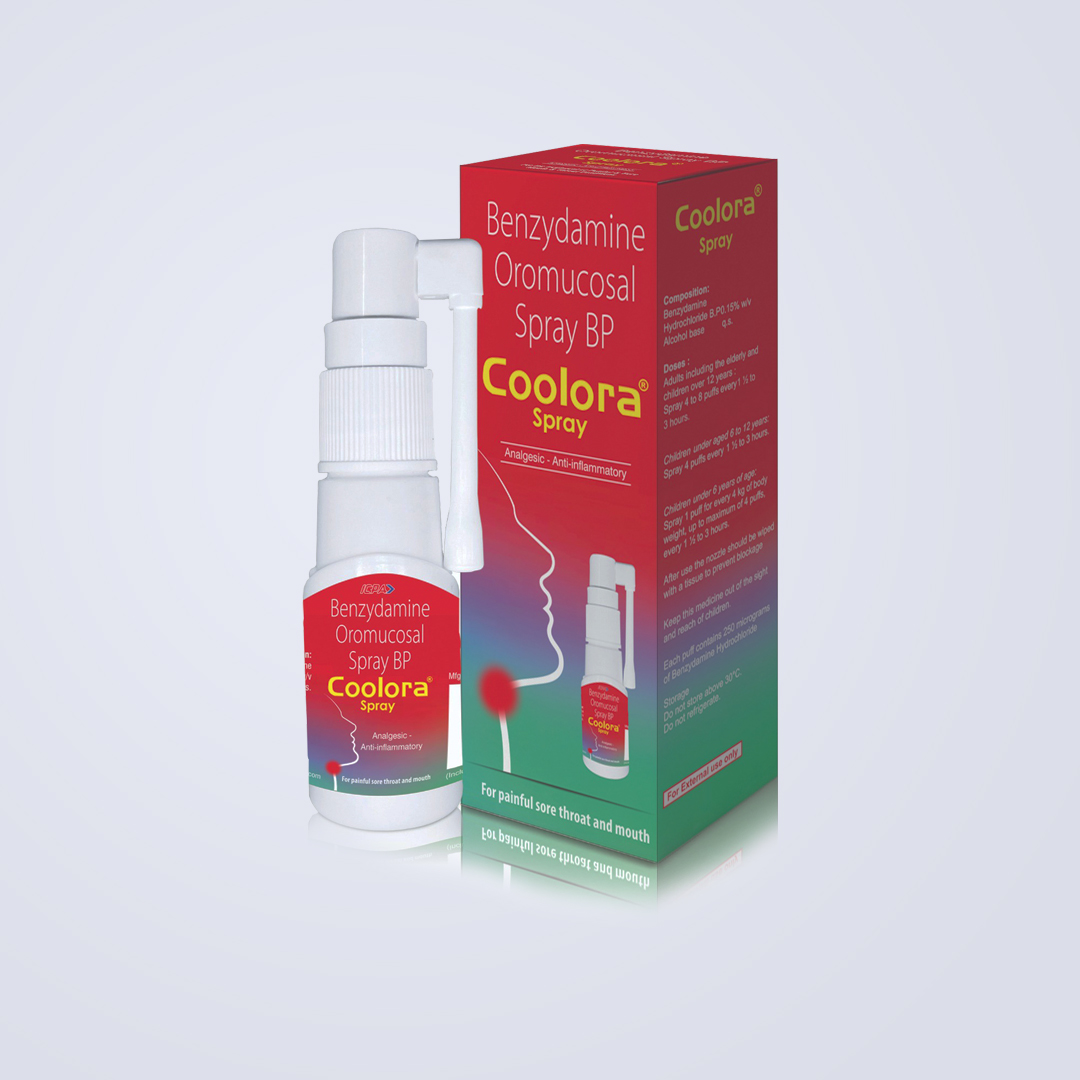
Coolora Spray 30ml
Quick ViewComposition:
Benzydamine hydrochloride BP 0.15% w/v in alcohol base
Each puff contains 250 micrograms of Benzydamine HydrochlorideMode of Action:
Coolora spray contains the active substance Benzydamine hydrochloride and belongs to a group of medicines called Non-Steroidal Anti-Inflammatory Drugs or NSAIDs. Benzydamine is an anti-inflammatory, analgesic with surface anesthetic effect.
Coolora spray works in the mouth and throat to inhibit the inflammatory processes and control pain and burning. It also gives instant relief by its surface anesthetic action.
Benzydamine acts by inhibiting the synthesis of pro-inflammatory cytokines, such as TNF- alpha and Interleukin- 1 beta ( IL-1β).
Indications:
Coolora spray is used to treat inflammatory painful conditions of the mouth or throat including:
- Post-tonsillectomy pain control Pharyngitis
- Laryngitis
- Oral mucositis
- Mouth ulcers and burning
Coolora Spray is effective at reaching the tonsils and posterior pharyngeal wall giving a significant & effective relief within 2 minutes.
Dose:
- Adults, adolescents, and elderly -Spray 4-8 puffs to sore area every 1 1⁄2to 3 hours
- Children 6- 12 years of age –Spray 4 puffs to the sore area every 1 1⁄2to 3 hours.
- Children under 6 years of age- Spray 1 puff for every 4 kilograms of body weight, up to a maximum of 4 puffs, to the sore area every 1 1⁄2 to 3 hours.
Warnings and Precautions:
Talk to your doctor before using Coolora Spray:
·If you have a strong history of asthma
·If you are allergic to acetylsalicylic acid or other non-steroidal anti-inflammatory drugs (NSAID)Presentation: 30 ml plastic bottle with metered dose valve pump
-
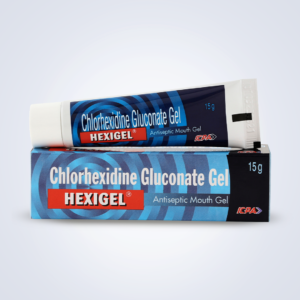
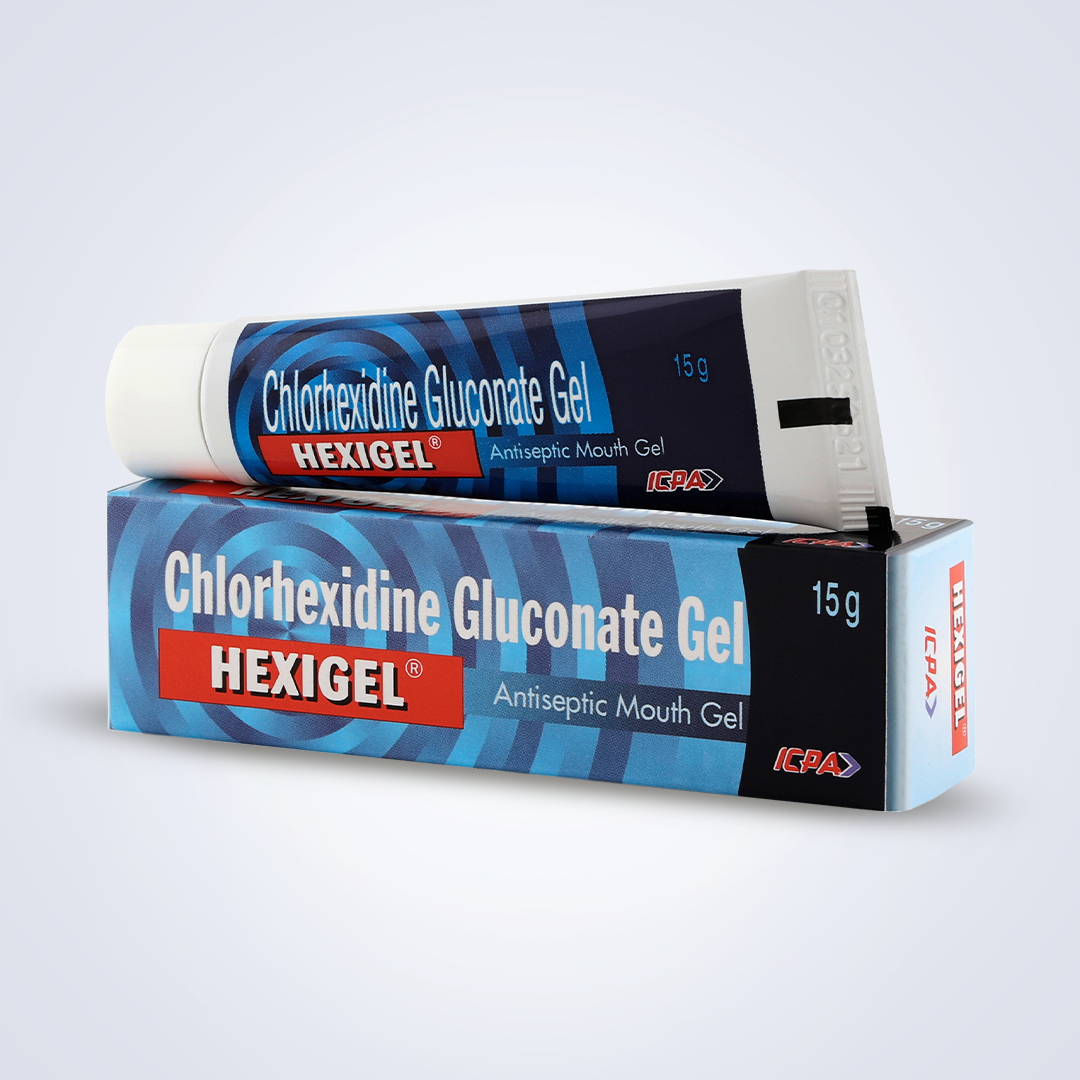
Hexigel 15gm
Quick ViewComposition:
Chlorhexidine gluconate solution I.P. equivalent to chlorhexidine gluconate 1.0% w/w in pleasantly flavoured base.
The use of Chlorhexidine gel:
The application of chlorhexidine (CHX) gel on ulcers and wound surfaces after oral surgical procedures has received considerable attention— supported scientifically by the antimicrobial properties of chlorhexidine.
Chlorhexidine acts against bacteria (Gram-positive and Gram-negative), with bacteriostatic action at low concentrations and bactericidal action at high concentrations Chlorhexidine is also known for its antiviral and antifungal effects.Mode of action:
Chlorhexidine acts on the target micro-organisms by increasing their cell membrane permeability which causes the precipitation of cytoplasmic macromolecules and subsequent microbial death via cell lysis. Therefore, the effect of CHX is mainly based on minimizing the microbial load —playing an anti-infection role, which seems critical in the early stages of wound healing.
Indications:
1. Periodontal diseases: gingivitis, periodontitis
2. Oral candidiasis, esp denture stomatitis
3. Aphthous and other oral ulcers, such as due to dentures
4. Common oral injuries, including those from orthodontic appliances and oral surgery appliances
5. Maintenance of oral hygiene, especially interdentally — in cancer patients, gingivitis & periodontitis patients, between and around restorationsScientific basis in various clinical applications:
A. Hexigel in the prevention of alveolar osteitis (dry socket)
The extraction of third molars is a common dental procedure. The American Association of Oral and Maxillofacial Surgeons states that “about 85% of third molars will eventually need to be removed”.
Available data also shows that 5 to 30% third molar extractions can create a”dry socket” – a complication associated with severe pain.
How can we prevent this unwanted complication?
1. A meta-analysis published in “Oral Diseases” in August 2016, reviewed 11 trials and found that 0.2% chlorhexidine gel was effective in preventing alveolar osteitis after lower third molar extraction(s).
https://onlinelibrary.wiley.com/doi/abs/10.1111/odi.12553
2. Journal of Oral & Maxillofacial Surgery in May 2017, reviewed Twenty-three studies published from 1979 to 2015 and concluded that chlorhexidine, used in any formulation and concentration can prevent dry socket in patients who have undergone third molar extraction. https://www.joms.org/article/S0278-2391(17)30020-4/fulltext
3. Another systematic review & meta-analysis published in May 2017 found that Chlorhexidine gel is superior to placebo in reducing the incidence of alveolar osteitis after mandibular third molar extraction.
https://bmcoralhealth.biomedcentral.com/articles/10.1186/s12903-017-0376-3
4. The largest network meta-analysis done till now reviewed 37 randomized controlled trials that included 6175 mandibular third molar surgeries in 4716 patients. This study published in Sept 2020 showed that 0.2% Chlorhexidine gel placed in the socket can prevent dry socket after mandibular third molar surgery.
https://www.sciencedirect.com/science/article/abs/pii/S1010518220301578
Hexigel, a 1% Chlorhexidine gluconate-based gel, is an inexpensive and easily available local application for all the 3rd molar extraction patients. They can apply it multiple times a day from the day of tooth extraction. A single tube of Hexigel contains enough quantity of gel to give protective coverage during the critical phase of the first couple of days.Use Hexigel after every case of lower molar extraction, especially the surgical extraction of the lower wisdom tooth, and minimize the risk of dry socket.
B. Hexigel as a post-surgical gel
High-quality articles demonstrate the evidence that Chlorhexidine gel application
exerts a beneficial effect on oral surgical wound healing. Chlorhexidine gel
application significantly decreases the risk of surgical complications and/or poor
wound healing.C. Hexigel in denture stomatitis
Denture stomatitis (DS) seen in about 15-70% of denture wearers is a condition characterized by a generalized inflammation of the denture-covered palatal mucosa. The clinical signs can vary from petechiae to generalized inflammation with papillary hyperplasia.
It is a harmless form of oral candidiasis associated with a quantitative increase of yeasts (a mixture of Candida species eg. C. albicans, C. tropicalis, C. krusei, C. guilliermondii, C. glabrata) on the mucosa and the denture’s fit surface. Complete and removable dentures accumulate, among all, C. albicans on the porous surface of the acrylic resin.
Denture hygiene is an important factor in the prevention and treatment of DS. Chlorhexidine digluconate, an effective antimicrobial agent active against various bacteria, viruses, and fungi including C. albicans, is recommended in the treatment of denture stomatitis because of its proven clinical and microbiological efficacy.
D. Hexigel in cancer patients
Patients can use an interdental brush dipped in chlorhexidine gel to clean the areas between teeth, crowns, and bridges to ensure good oral health.
E. Hexigel in periodontitis patients
Cleaning the interdental areas is a critical component of oral care in periodontitis patients.
F. Hexigel in restorative dentistry
Restorations with overhangs and rough edges can create plaque-retentive areas around the crowns, bridges, and fillings. Cleaning the interdental areas is critical to maintaining soft tissue health interdentally. Cleaning the interdental areas is a critical component of oral care in periodontitis patients.
Directions for use:
For oral hygiene, plaque inhibition and gingivitis: Brush your teeth with the gel once or twice a day. Use an interdental brush for carrying hexigel between teeth, crowns, bridges, and implants. For management of aphthous and other oral ulcers: Apply the gel to affected areas once or twice a day.
Warning:
Brown staining may be reported with extensive use in some cases. It can be removed by brushing or polishing.
Presentation:
Lamitube of 15g (0.52 oz)
-

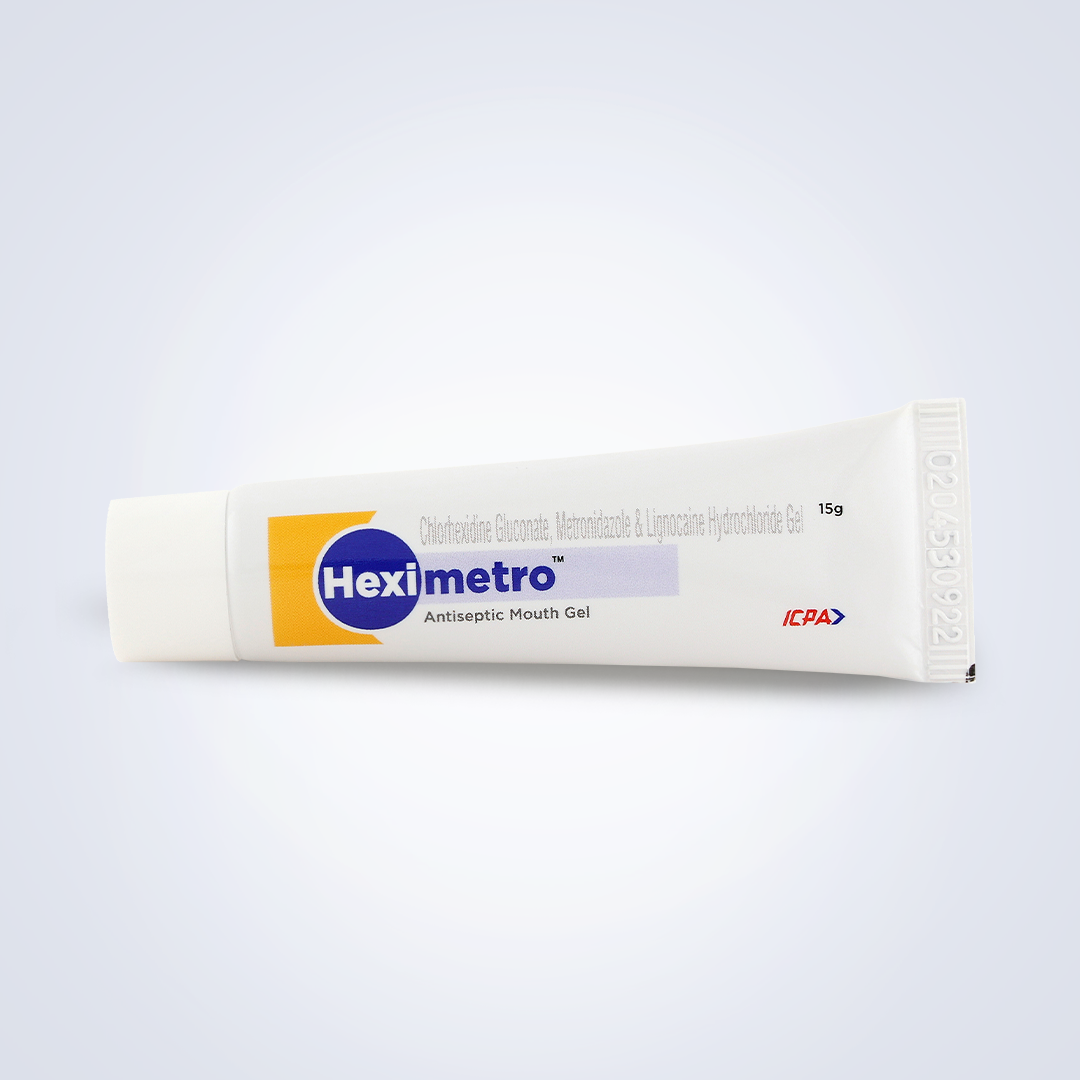
Heximetro 15gm
Quick ViewComposition:
Chlorhexidine Gluconate 1% w/w, Metronidazole 1% w/w, Lignocaine 2% w/w
Introduction:
Heximetro is an antiseptic mouth gel with triple action- that synergistically acts against both —aerobic and anaerobic pathogens in oral lesions, and also provides instant pain relief via topical anaesthesia.
Chlorhexidine:
Chlorhexidine is a well-known antiseptic, and antimicrobial agent with decades of evidence of its antibacterial, antiviral, and antifungal action. Chlorhexidine offers action against aerobic pathogens like- S. sanguis, S. mutans (Chlorhexidine- binds with the phospholipids in the innercell membrane causing cell wall integrity). The application of chlorhexidine (CHX) gel on ulcers and wound surfaces after oral surgical procedures has received considerable attention— supported scientifically by the antimicrobial properties of chlorhexidine. Chlorhexidine acts against bacteria (Gram-positive and Gram-negative), with bacteriostatic action at low concentrations and bactericidal action at high concentrations Chlorhexidine is also known for its antiviral and antifungal effects.
Mode of action:
Chlorhexidine acts on the target micro-organisms by increasing their cell membrane permeability which causes the precipitation of cytoplasmic macromolecules and subsequent microbial death via cell lysis. Therefore, the effect of CHX is mainly based on minimizing the microbial load —playing an anti-infection role, which seems critical in the early stages of wound healing.
Metronidazole:
Metronidazole offers action against anaerobic pathogens like- P. gingivalis, etc (inhibits protein synthesis by interacting with DNA, and causes a loss of helical DNA structure and strand breakage)
Lignocaine:
Heximetro also contains 2% Lignocaine, which can provide instant and profound anesthesia over the surfaces of oral lesions.
Indications:
1. Infected painful ulcers in the mouth
2. Periodontal diseases: gingivitis, periodontitis with pockets
3. Oral candidiasis, esp painful denture stomatitis lesions
4. Aphthous ulcers
5. Ulcers due to dentures
6. Common oral injuries, including those from orthodontic appliances and oral surgery appliances
7. Dry socket (alveolar osteitis) prevention and treatment
8. Infections in the interdental areas: to be applied with interdental brushes like Thermoseal proxa
9. Maintenance of oral hygiene, especially interdentally — in cancer patients,
gingivitis & periodontitis patients, between and around restorationsHeximetro in various clinical conditions:
A. Heximetro in dry socket:
The extraction of third molars is a common dental procedure. The American Association of Oral and Maxillofacial Surgeons states that “about 85% of third molars will eventually need to be removed”. Available data also shows that 5 to 30% third molar extractions can create a “dry socket” – a complication associated with severe pain.
How can we prevent this unwanted complication?
1. A meta-analysis published in “Oral Diseases” in August 2016, reviewed 11 trials and found that 0.2% chlorhexidine gel was effective in preventing alveolar osteitis after lower third molar extraction(s). https://onlinelibrary.wiley.com/doi/abs/10.1111/odi.12553
2. Journal of Oral & Maxillofacial Surgery in May 2017, reviewed Twenty-three studies published from 1979 to 2015 and concluded that chlorhexidine, used in any formulation and concentration can prevent dry socket in patients who have undergone third molar extraction. https://www.joms.org/article/S0278-2391(17)30020-4/fulltext
3. Another systematic review & meta-analysis published in May 2017 found that Chlorhexidine gel is superior to placebo in reducing the incidence of alveolar osteitis after mandibular third molar
extraction. https://bmcoralhealth.biomedcentral.com/articles/10.1186/s12903-017-0376-34. The largest network meta-analysis done till now reviewed 37 randomized controlled trials that included 6175 mandibular third molar surgeries in 4716 patients. This study published in Sept 2020 showed that 0.2% Chlorhexidine gel placed in the socket can prevent dry socket after mandibular third molar surgery. https://www.sciencedirect.com/science/article/abs/pii/S1010518220301578
Chlorhexidine in its therapeutic concentration of 1% fortified with an additional metronidazole cover, and lignocaine surface anesthesia, heximetro can ensure the healing of the dry socket.
B. Heximetro as a post-surgical gel
High-quality articles demonstrate the evidence that Chlorhexidine gel application exerts a beneficial effect on oral surgical wound healing. Chlorhexidine gel application significantly decreases the risk of surgical complications and/or poor wound healing. With additional metronidazole cover and lignocaine surface anesthesia, heximetro can ensure uneventful healing.
C. Heximetro in denture stomatitis
Denture stomatitis (DS) seen in about 15-70% of denture wearers is a condition characterized by a generalized inflammation of the denture-covered palatal mucosa. The clinical signs can vary from petechiae to generalized inflammation with papillary hyperplasia. It is a harmless form of oral candidiasis associated with a quantitative increase of yeasts (a mixture of Candida species eg. C. albicans, C. tropicalis, C. krusei, C. guilliermondii, C. glabrata) on the mucosa and the denture’s fit surface. Complete and removable dentures accumulate, among all, C. albicans on the porous surface of the acrylic resin.
Denture hygiene is an important factor in the prevention and treatment of DS. Chlorhexidine digluconate, an effective antimicrobial agent active against various bacteria, viruses, and fungi including C. albicans, is recommended in the treatment of denture stomatitis because of its proven clinical and microbiological efficacy. Lignocaine can ensure comfortable denture wear by providing surface anesthesia on the inflamed tissue surfaces.D. Hexigel in cancer patients
Patients with sensitive soft tissues can use an interdental brush dipped in Heximetro gel to clean the areas between teeth, crowns, and bridges to ensure good oral health.
E. Hexigel in periodontitis patients
Cleaning the interdental areas is a critical component of oral care in periodontitis patients. Patients with periodontitis can use an interdental brush dipped in Heximetro gel to clean the areas between teeth, crowns, and bridges to ensure good periodontal health.
F. Hexigel in restorative dentistry
Restorations with overhangs and rough edges can create plaque-retentive areas around the crowns, bridges, and fillings. Cleaning the interdental areas is critical to maintaining soft tissue health interdentally.
Dose:
2 to 3 times a day or as directed by the doctor.
Presentation:
15 gms in a lami tube
-
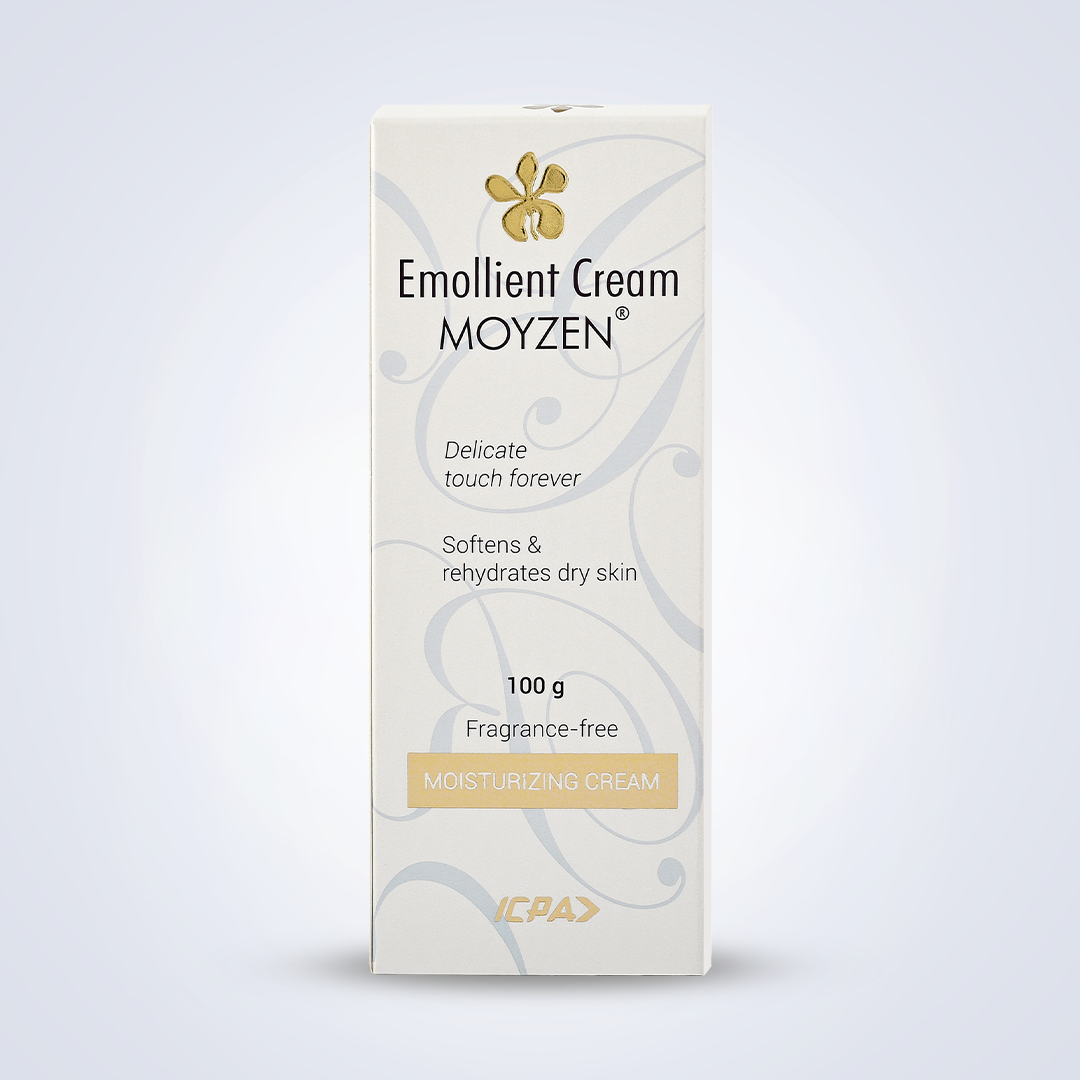
Moyzen Cream 100gm
Quick ViewMoisturising Cream
Softens and Rehydrates dry skin
Composition:
Light Liquid Paraffin 6% w/w White Soft Paraffin 15% w/w Cream base q.s. Preservative q.s. (Formulation available – I.P. – Domestic, B. P. – Export)Mode of action:
Stratum corneum is the surface layer of the epidermis. Water content of Stratum corneum (10%) is controlling factor in maintaining skin flexibility. When water content falls below 10%, Stratum corneum becomes less flexible and rough. This phenomenon is termed as ‘dry skin’. Certain skin disorders and systemic diseases also produce dry skin.
Moyzen produces thin occlusive film on the Stratum corneum, which prevents loss of moisture from skin surface.Indications:
Dry skin conditions.Directions for use:
Apply to the affected area and rub well. Use as often as required. Recommended units for application – Face and neck 2.5 fingertip units, Arm (shoulder-wrist) – 3 fingertip units, Hand -1 fingertip unit, Leg- 6 fingertip units, Foot – 2 fingertip units.Precautions:
Do not rub skin with towel after Moyzen application.Presentation:
Lamitube of 100g (3.53 oz) -
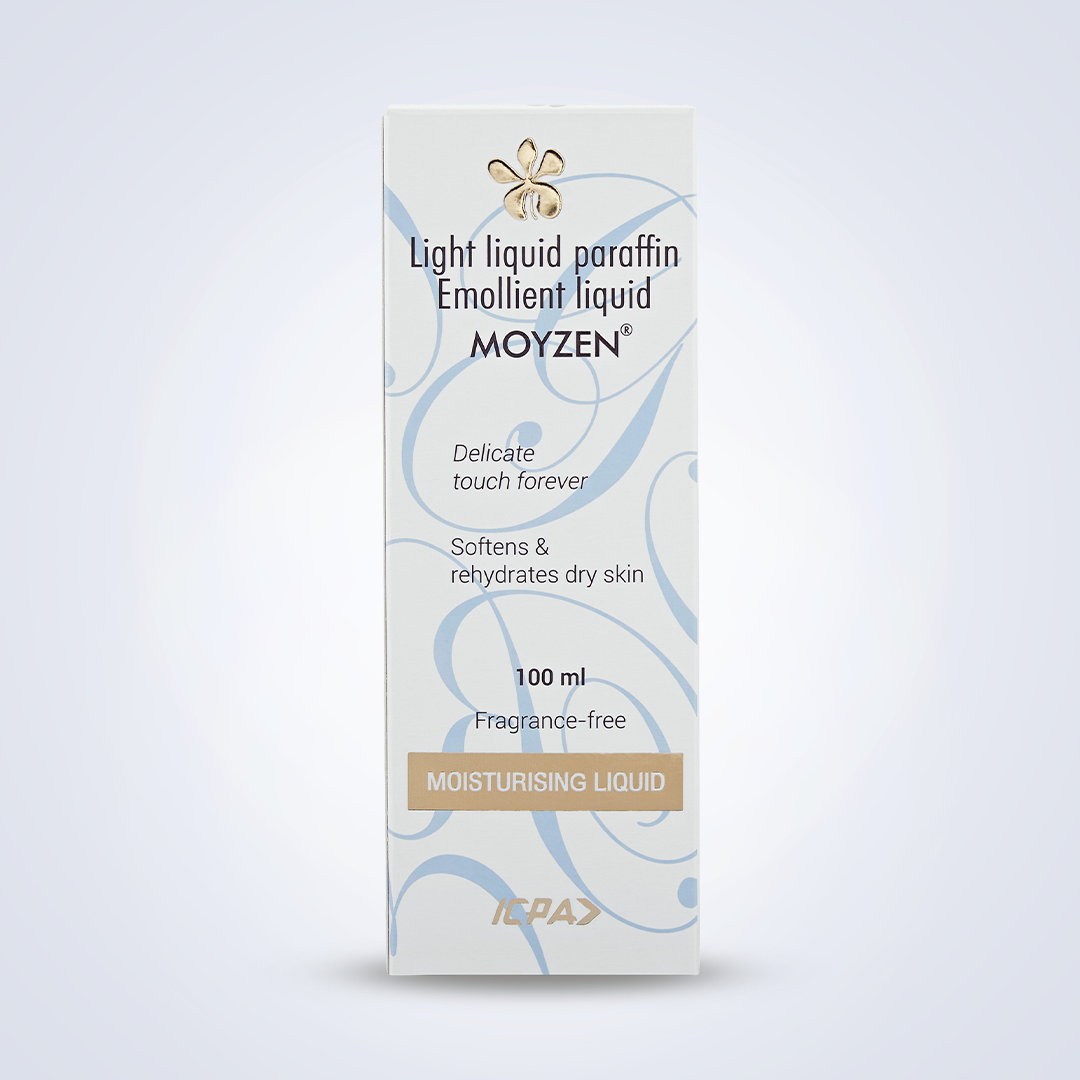
Moyzen Liquid 100ml
Quick ViewSoftens and Rehydrates Dry Skin
Composition:
Light Liquid Paraffin 63.4% w/w Base q.s. (Formulation available – I.P. Domestic, B.P. – Export)Mode of action:
Stratum corneum is the surface layer of the epidermis. Water content of Stratum corneum (10%) is controlling factor in maintaining skin flexibility. When water content falls below 10%, Stratum corneum becomes less flexible and rough. This phenomenon is termed as ‘dry skin’. Certain skin disorders and systemic diseases also produce dry skin.
Moyzen produces thin occlusive film on the Stratum corneum, which prevents loss of moisture from skin surface.Indications:
For the relief of dry skin associated with Contact dermatitis, Atopic dermatitis, Senile Pruritus, Ichthyosis and related dry skin conditions.Directions for use:
Apply Moyzen on wet skin, preferably after bathing and thereafter pat skin dry.Precautions:
Do not rub skin with towel after Moyzen application.Presentation:
HDPE bottle of 100ml (3.38 fl.oz.) -
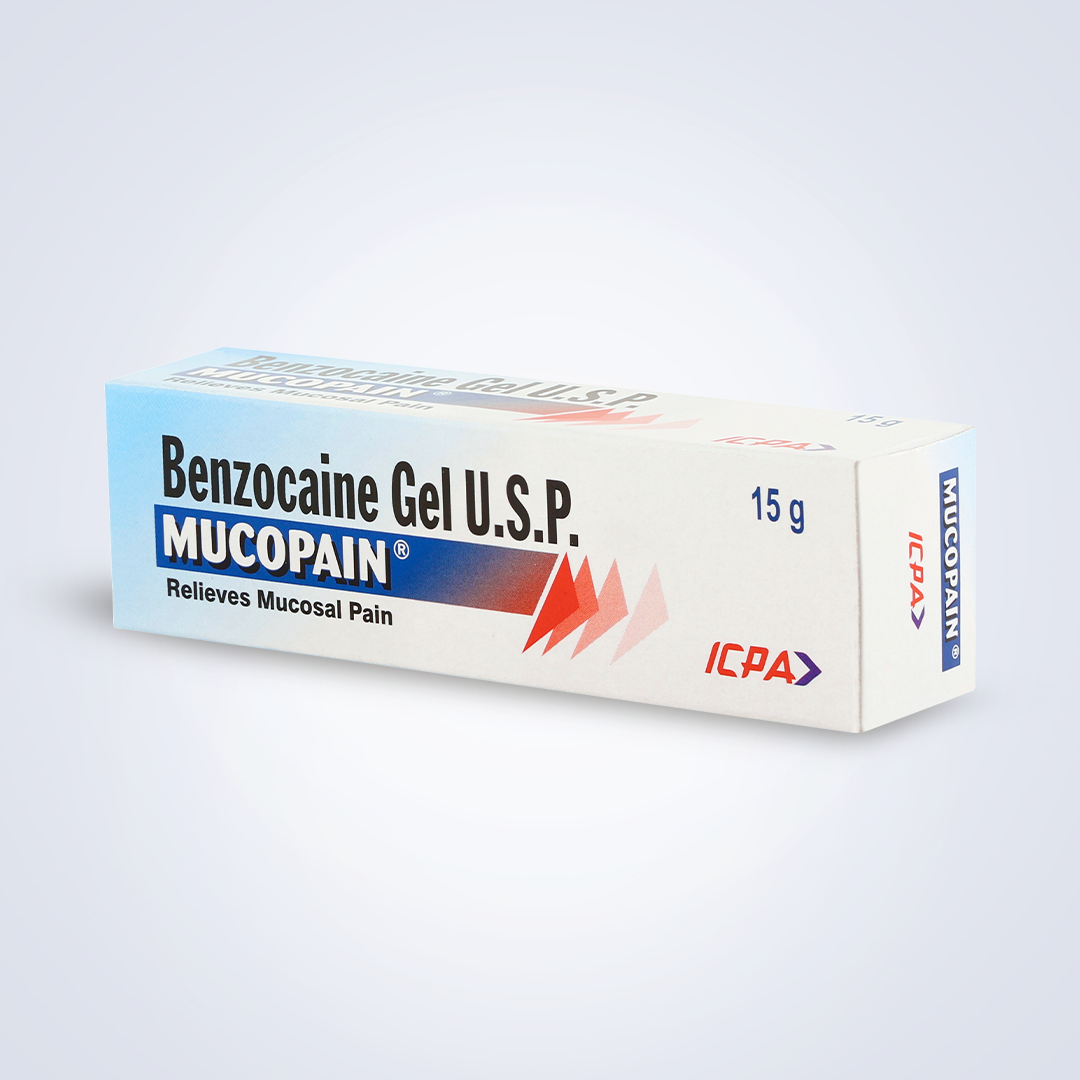
Mucopain 15gm
Quick ViewComposition:
Benzocaine I.P. 20% w/w in a water-miscible base Topical anaesthetics come in various dosage forms, such as gels, sprays, creams, ointments, patches to provide the clinicians with precise options for application under various situations.
Understanding Benzocaine:
Benzocaine is an ester type molecule used for topical (surface) anaesthesia in a variety of settings, including dental procedures, preparation for infiltration anesthesia, and pain relief minor traumas to oral mucosa.
Topical anaesthetic agents such as Benzocaine penetrate the oral mucosa effectively and offer local anaesthetic activity that lasts for 10-20 minutes. The poor water solubility of Mucopain makes it safe for topical use. Local anaesthetics reversibly block nerve transmission, when applied to a limited area of the body. They bind to the sodium channels in the nerve membrane and prevent the entry of sodium ions in response to the membrane’s depolarization.
Mechanism of action:
1. Benzocaine acts by reversibly binding to and inhibiting sodium channels in the neuronal cell membrane.
2. Benzocaine first enters the cell in a nonionized form and then becomes ionized after traveling through the membrane bilayer.
3. Once ionized, benzocaine starts inhibiting the voltage-gated sodium channels by binding to their alpha subunit.
4. This binding stops cellular depolarization and minimizes the chances of action potential generation.
5. Benzocaine can bind more easily to sodium channels when they are in an open configuration.
6. The pKa value of local anesthetics is critical as it helps to determine their onset of action. Since benzocaine’s pKa value is relatively low (2.6) in comparison to other local anesthetics, its onset of action is quick, its rate of action is fast and relatively pH-independent.Indications:
For topical anaesthesia of all accessible mucous membrane, except eyes. For temporary local relief of pain associated with dental conditions and oropharyngeal disorders.
1. Nutritional deficiency induced ulcers
2. Traumatic ulcers, such as lip bite, cheek bite
3. Treatment induced ulcers: due to orthodontic appliances, oral surgical appliances, dentures
4. Mucosal injuries during instrumentation in dental procedures
5. Ulcers from autoimmune disorders, such as lichen planus, pemphigoid, pemphigus.
6. Oral submucous fibrosis (OSMF)
7. Oral ulcers in cancer patientsDirections for use:
For oral mucosal use only, as directed by a dentist. For the temporary relief of pain due to ulcers, or injuries from minor dental procedures.
Warning:
Discontinue medication and consult a doctor if sensitivity or irritation occurs. Safe use of Mucopain is not established during pregnancy on the foetus. Do not cover the affected area with cotton or other material. Not for infant use.
Methemoglobinemia warning
Use of this product may cause methemoglobinemia, a serious condition that warrants prompt clinical management because it reduces the amount of oxygen carried in the blood. This can occur even if one has used this product before. Stop use and seek immediate medical attention if you or a user in your care develops any of the following:
- pale, gray, or blue-colored skin (cyanosis)
- headache
- rapid heart rate
- shortness of breath
- dizziness or lightheadedness
- fatigue or lack of energy
Presentation:
Lamitube of 15g (0.52 oz)
-
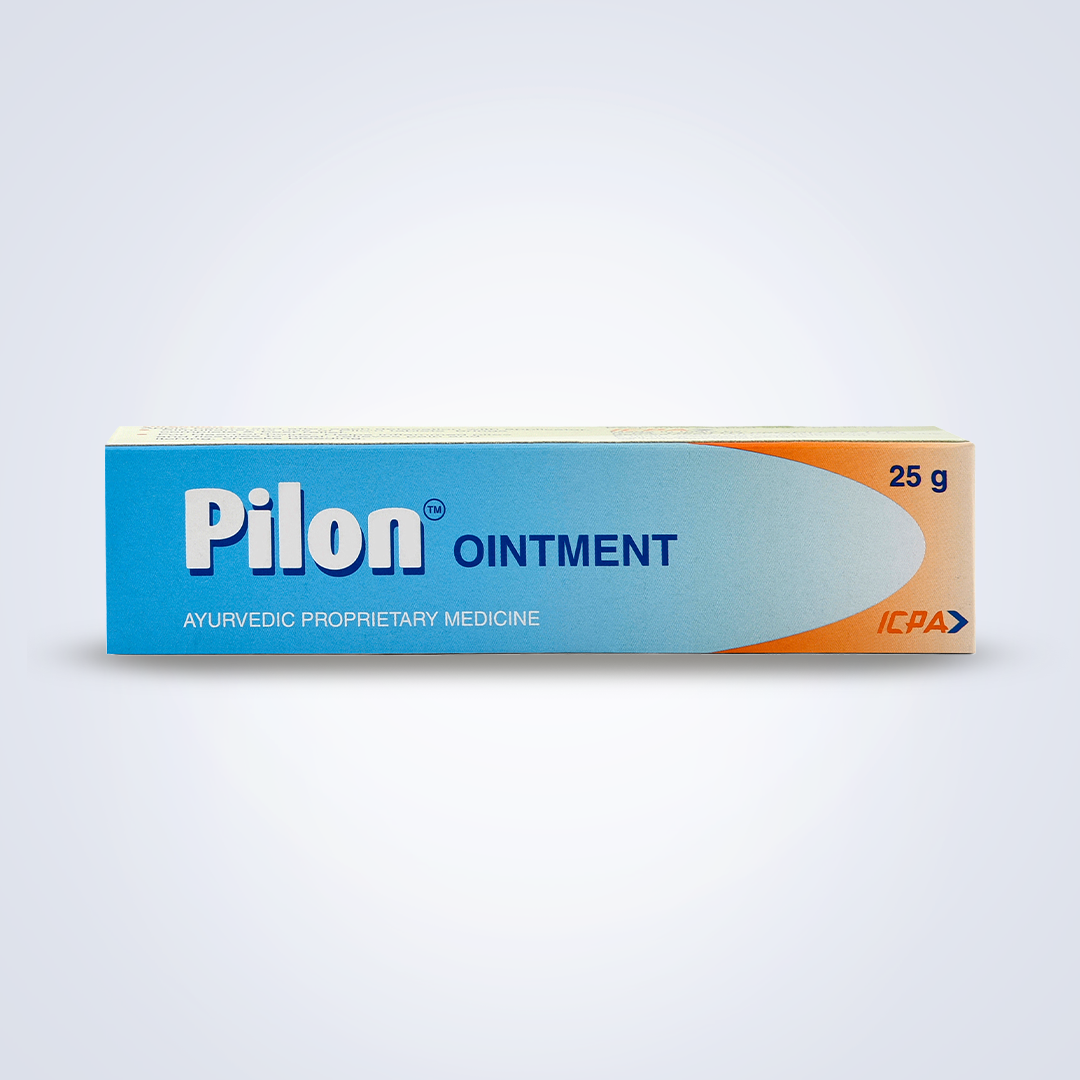
Pilon Ointment 25gm
Quick ViewComposition:
Kasisadi Oil 25% w/w Yashad Bhasma (Zinc oxi 5% w/w Karpoor (Camphor) 1% w/w Ointment base q.s.Indications:
HaemorrhoidsDirections for use:
Apply before and after each defecation with applicatorPresentation:
Tube of 25g (0.88 oz) with applicator
For better relief use Pilo’n Tablets and Pilon Ointment together -
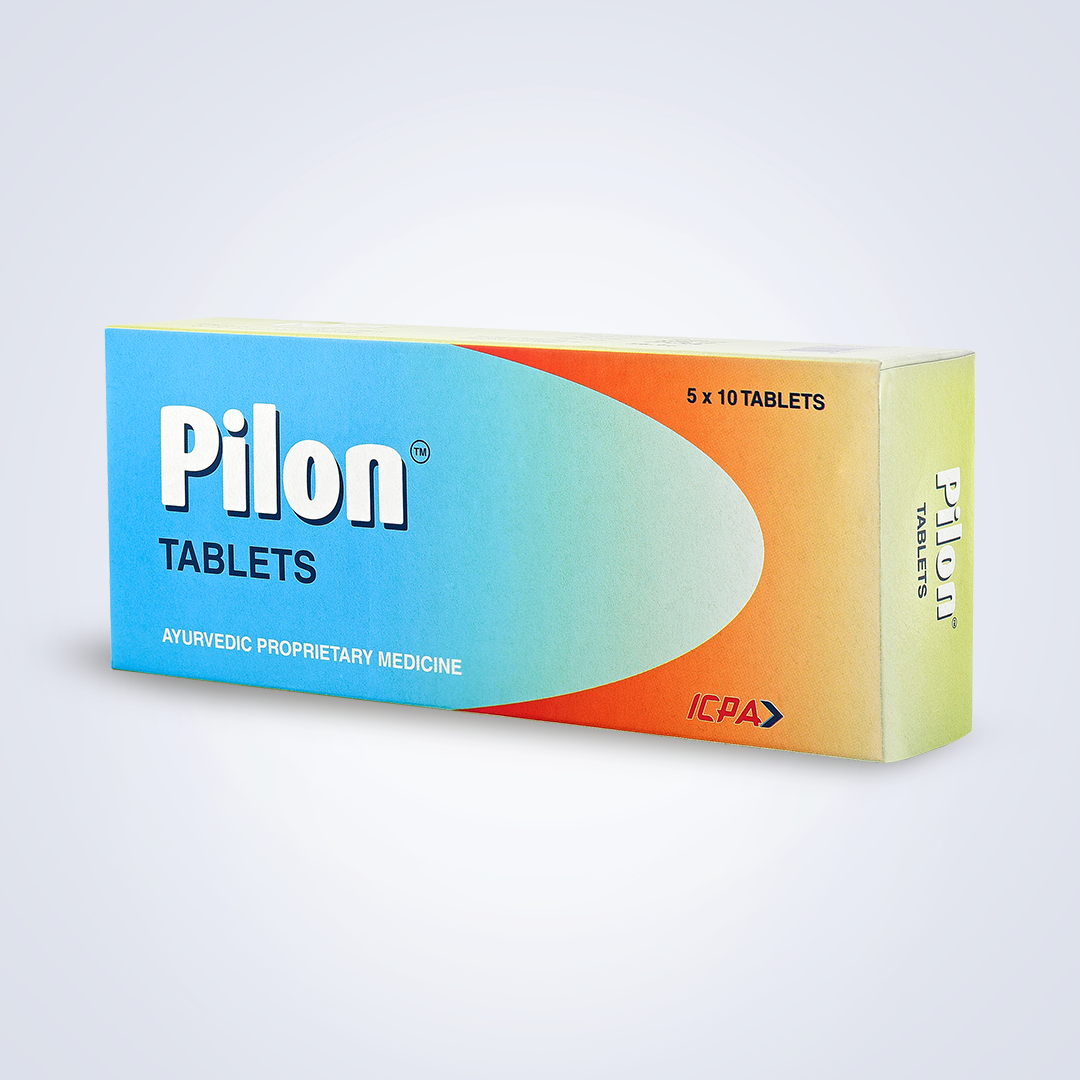
Pilon Tablets 5×10&#..
Quick ViewThe Complete Solution to Treat Piles
Composition:
Each sugar coated tablet contains:- Ativish (Aconitum Heterophyllum) 110 mg
- Kattha (Acacia Catechu) 60 mg
- Kariyal (Swertia Chirata) 30 mg
- Aritha (Sapindus Trifoliatus) 20 mg
- Sudha Fatkari (Alum) 18 mg
- Indrajav (Holarrhena Antidysenterica) 16 mg
- Gorakmundi (Sphearanthus Indicus) 16 mg
- Dharuharidra Aq. Extract (Berberis Aristata 16 mg
- Hirabol (Commiphora Myrrha) 16 mg
- Neem Bheej (Azadirachta Indica) 16 mg
- Gritkumari (Aloes) 8 mg
- Banslochan (Manna) 8 mg
- Saunf (Foeniculum Vulgare) 6 mg
- Sonamukhi (Senna) 6 mg
Indications:
Haemorrhoids, Pre and Post – operative treatment in hemorrhoidectomy.Dose:
1 tablet twice a day, for 30 days.Presentation:
Strip of 10 tablets.
Quick Enquiry