


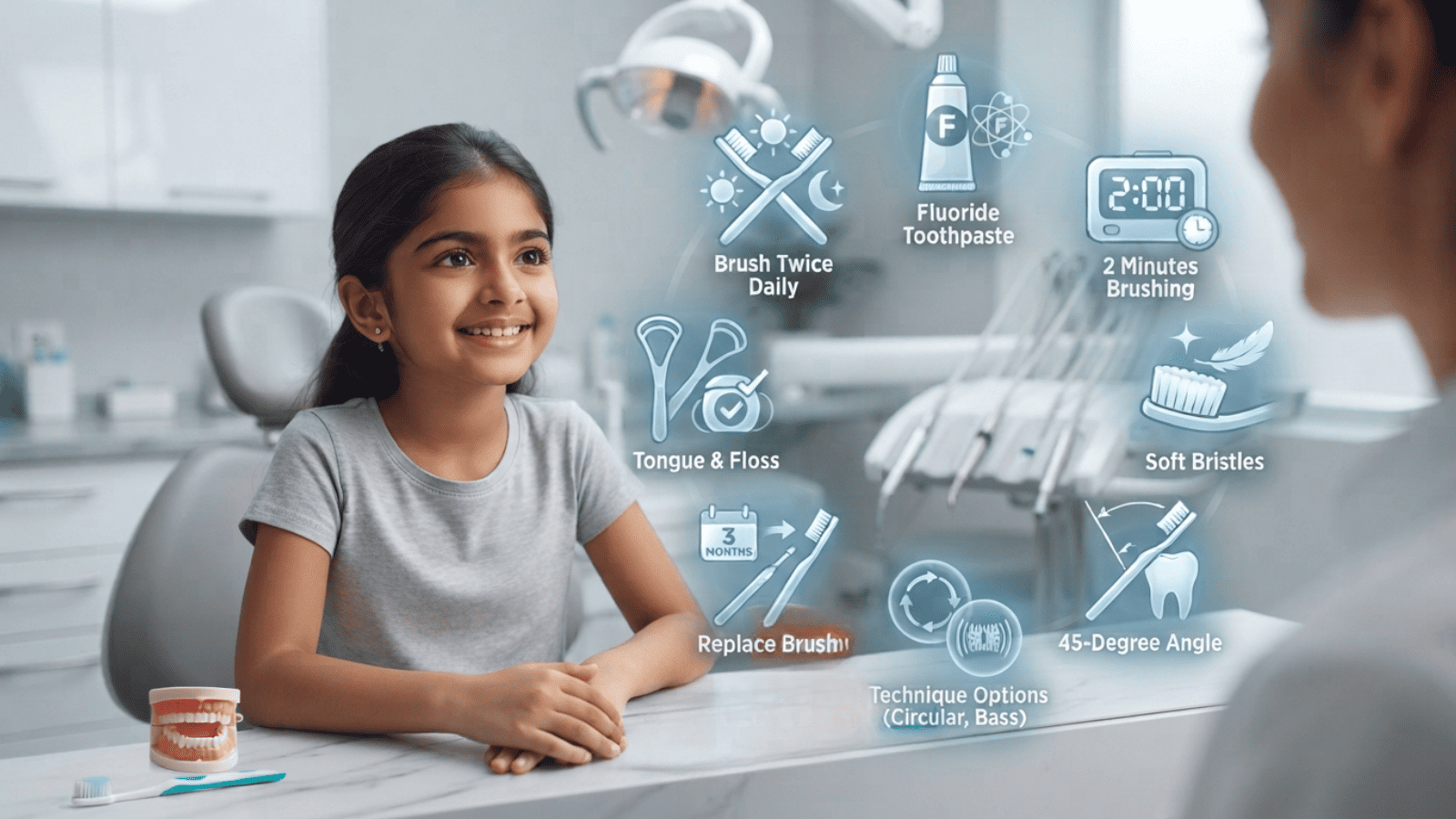
Toothbrushing advice may appear straightforward, yet professional dental associations do not always provide the public with the same instructions. A recent study examined the online toothbrushing information published by national dentist and dental hygienist associations across 56 English-speaking countries.
The researchers identified 52 dentist associations and 15 dental hygienist associations. Of these, only 23 associations—16 dentist associations and 7 dental hygienist associations—provided structured online information on toothbrushing.
The most consistent recommendations were to brush twice daily and use a fluoride-containing toothpaste. Most websites that specified a brushing duration recommended about 2 minutes. Soft-bristled manual toothbrushes were commonly recommended, while nine associations also mentioned powered toothbrushes as an option.
Among specifically named techniques, the Bass or modified Bass technique was mentioned most frequently. However, circular and back-and-forth movements were also commonly described. Several associations advised gentle brushing and positioning the toothbrush at approximately 45 degrees.
Recommendations about toothbrush replacement varied. Some websites advised replacing the brush every two to four months, while others recommended replacement when the bristles became visibly worn. Advice concerning brushing time, tongue cleaning, flossing, interdental brushes, and rinsing after toothpaste use was also inconsistent.
Most of the associations providing detailed guidance recommended daily flossing, whereas fewer mentioned interdental brushes. In clinical practice, however, interdental cleaning should be individualised according to the patient’s embrasure anatomy, periodontal condition, appliances, dexterity, and plaque-control needs
The findings highlight the need for clearer and more consistent public oralhygiene guidance. They also suggest that written information alone may not always produce behavioural change. Demonstration, supervised practice, visual instruction, and reinforcement during subsequent visits may be necessary.
The study assessed website content collected in 2021; recommendations may have changed since then. It evaluated the availability and consistency of advice not the comparative effectiveness of different brushing methods.
Elkerbout TA, Thomassen TMJA, van der Weijden FGA, Slot DE. Advice and Information About Toothbrushing as Available on Websites of Professional Dental Care Associations. Int J Dent Hyg. 2026 Aug;24(3):472480. doi: 10.1111/idh.70037. Epub 2026 Mar 23. PMID: 41873028; PMCID: PMC13309212.
| PRODUCTS | QTY | PRICE | VALUE in INR |
|---|
| PRODUCTS | QTY | PRICE | VALUE in INR |
|---|