

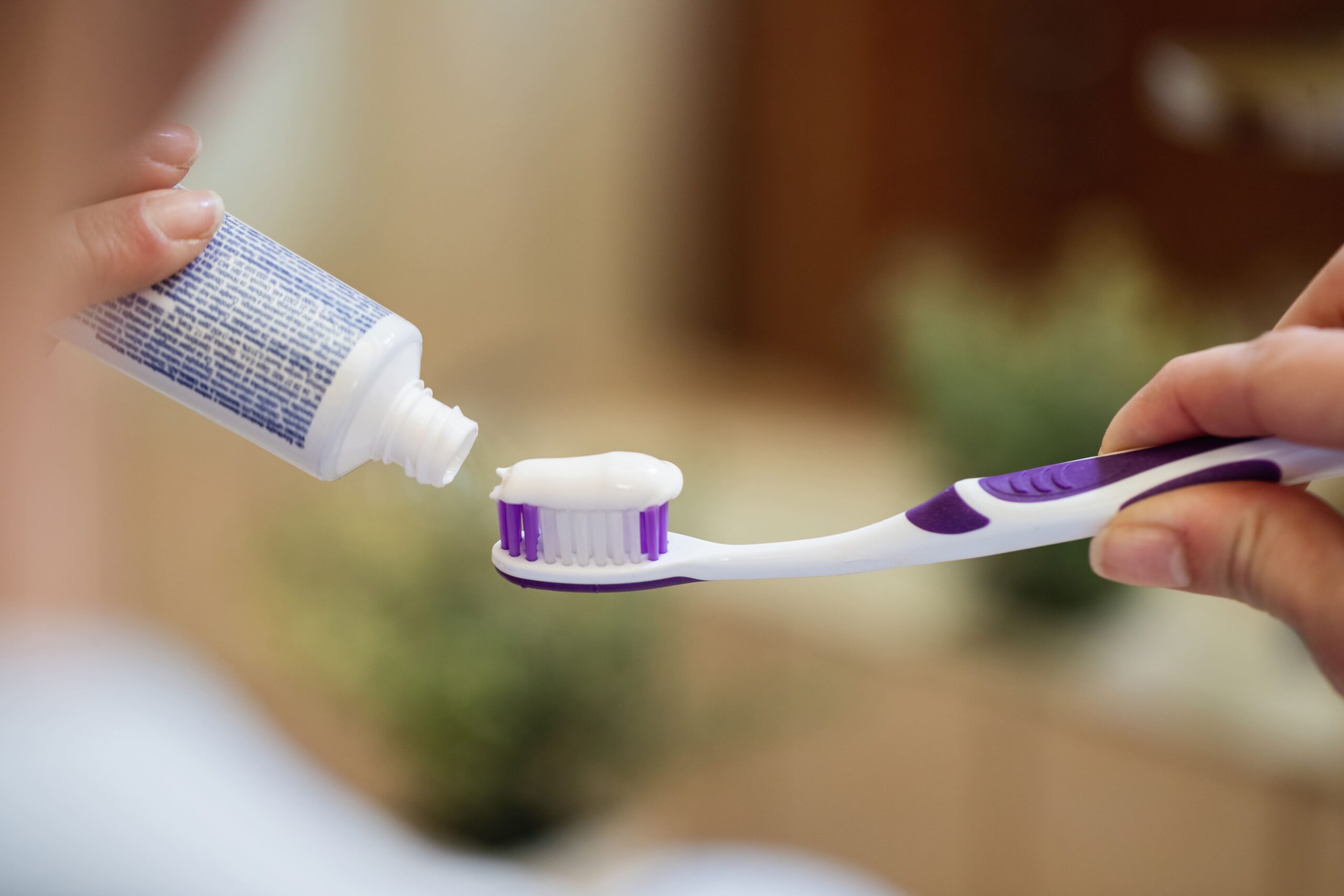
Dentinal hypersensitivity DH) presents as sharp pain when teeth are exposed to stimuli such as air, cold, or touch. Patients report discomfort during routine activities like brushing, drinking cold water, or breathing through the mouth. Managing this condition remains a regular clinical challenge.
Two categories of home-care desensitising toothpastes dominate treatment:
A recent clinical study compared the short-term effectiveness of these two approaches.
Researchers conducted a randomised clinical study involving 39 participants aged between 18 and 51 years.
Participants were divided into two groups:
Test group
19 participants used hydroxyapatite toothpaste.
Control group
20 participants used potassium nitrate toothpaste.
Dentinal hypersensitivity was tested using an air-blast stimulus applied to sensitive teeth.
Pain levels were measured using two standard clinical scales:
Both toothpastes produced significant reductions in dentinal hypersensitivity. Pain scores dropped after two weeks of use and continued to reduce at four weeks.
Statistical analysis showed strong significance (p < 0.001 .
When the two groups were compared, hydroxyapatite toothpaste performed similarly to potassium nitrate toothpaste. The difference in sensitivity reduction between the two groups was not significant.
Potassium nitrate works through a neural mechanism.
Potassium ions diffuse into the dentinal tubules and reduce the excitability of pulpal nerve fibres. This reduces the transmission of pain signals when stimuli such as air or cold are applied.
This mechanism does not block the tubule. It reduces nerve response.
Hydroxyapatite acts through a structural mechanism.
Particles deposit on exposed dentine surfaces and within dentinal tubules. This partially occludes the tubules and reduces fluid movement inside them.
Reduced fluid movement lowers the stimulus that triggers nerve activation.
The study shows that hydroxyapatite toothpaste can provide short-term relief from dentinal hypersensitivity that is similar to potassium nitrate toothpaste.
This gives dentists another home-care option for managing sensitivity.
The two approaches differ in mechanism, but their short-term clinical outcome in this study appears comparable.
Alhammadi MA, Alketbi MM, Sultan AS, Alsabek YM, Acharya AB. A Short-Term Evaluation of the Efficacy of Two Desensitising Toothpastes in the Treatment of Dentinal Hypersensitivity. Int J Dent Hyg. 2025 Dec 7. doi: 10.1111/idh.70026.
Epub ahead of print. PMID 41353765.
Patients with dentinal hypersensitivity want one thing: relief from pain during daily activities.
For this reason, most desensitising toothpaste formulations are tested against potassium nitrate. It remains the reference ingredient for sensitivity relief.
Potassium nitrate continues to be the first-line treatment recommended by dentists for dentinal hypersensitivity.
Another practical factor is affordability. Potassium nitrate combined with sodium monofluorophosphate remains one of the most economical options available for long-term home care.
This combination delivers two benefits:
For everyday clinical practice, this balance of efficacy, familiarity, and cost keeps potassium nitrate formulations at the centre of dentinal hypersensitivity management.

| PRODUCTS | QTY | PRICE | VALUE in INR |
|---|
| PRODUCTS | QTY | PRICE | VALUE in INR |
|---|