



Head and neck cancers account for approximately 5% of all malignant tumors worldwide. Radiotherapy remains a cornerstone of treatment for many of these patients, but it can also lead to a range of oral complications that affect comfort, nutrition, speech, and overall quality of life.
For dental professionals, maintaining oral health during cancer treatment is an important aspect of supportive care. While many oral complications arise directly from radiation-induced tissue damage, good oral hygiene remains a key component of comprehensive patient management throughout treatment.
A recent feasibility study explored whether providing patients with structured oral hygiene education and written instructions could help improve oral hygiene practices during and after radiotherapy.
Patients undergoing radiotherapy for head and neck cancers may experience a variety of oral challenges, including:
Although these complications are multifactorial and often result directly from radiation exposure, maintaining good oral hygiene is widely regarded as an important element of oral supportive care.
Researchers conducted a prospective, single-center feasibility study involving 44 patients with head and neck cancer who required radiotherapy and had a dental plaque index of at least 30%.
Each patient received:
The primary objective was to assess whether this intervention could improve oral hygiene, defined as a reduction of at least 30% in the dental plaque index three months after radiotherapy.
Of the 44 patients initially enrolled, 32 were evaluable for the primary endpoint. Attrition was primarily related to disease-related mortality during the study period.
Among these evaluable patients:
This suggests that the combination of patient education and written guidance may help improve oral hygiene practices in this patient population.
The study also reported improvements in several self-care behaviors.
a. Tooth Brushing Frequency
b. Mouthwash Use
c. Regular Dental Check-Ups
These findings indicate that patients were willing and able to adopt healthier oral care habits during their treatment journey.
Patient acceptance of the educational materials was remarkably positive.
Importantly, the study also found that patient motivation toward maintaining oral health remained high throughout the treatment period.
While this was a feasibility study and not a randomized controlled trial, the findings highlight the potential value of structured patient education as part of oral supportive care.
Providing clear, written oral hygiene instructions may:
The results also demonstrate that relatively simple, low-cost educational interventions can be successfully implemented in routine clinical practice.
Larger controlled studies will be needed to determine whether improvements in oral hygiene behaviors translate into better clinical outcomes, such as reductions in mucositis severity, dental disease, or other treatment-related oral complications.
Nevertheless, this study provides encouraging evidence that combining professional counselling with written educational materials may help patients take a more active role in maintaining their oral health during cancer treatment.
As clinicians, we often focus on therapeutic interventions and technologies. This study serves as a reminder that patient education remains a fundamental component of comprehensive care.
Betancourt S, Cavillon A, Teulières MC, Cabarrou B, Epstein JB, Vigarios E, Maret D. Educational Interventions in Oral Hygiene for Patients Undergoing Head and Neck Cancer Radiotherapy: A Feasibility Study. J Cancer Educ. 2026 May 28. doi: 10.1007/s13187-026-02849-6. Epub ahead of print. PMID: 42209855.
Clear, written oral hygiene instructions combined with professional counselling may improve oral hygiene behaviors and patient engagement in patients undergoing head and neck radiotherapy.
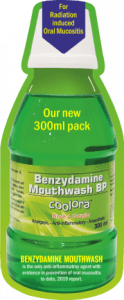
| PRODUCTS | QTY | PRICE | VALUE in INR |
|---|
| PRODUCTS | QTY | PRICE | VALUE in INR |
|---|