


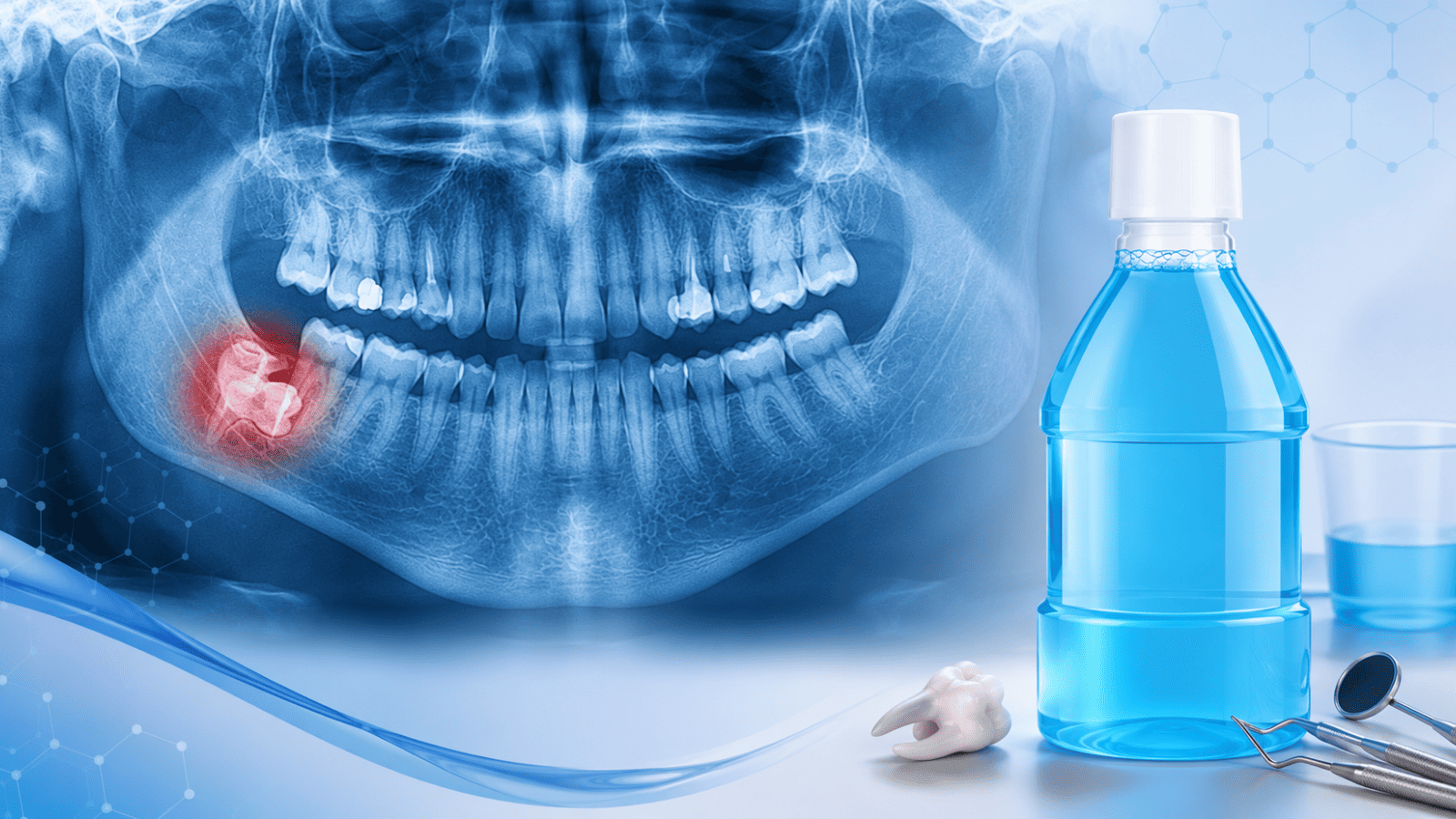
Dry socket (alveolar osteitis) is one of the most common and painful complications following the surgical removal of impacted mandibular third molars.
Characterized by severe postoperative pain and delayed healing, it often results in additional dental visits, increased patient discomfort, and a compromised recovery experience. Preventing this complication remains an important objective in postoperative care.
A recent randomized controlled clinical trial compared the effectiveness of 0.2% chlorhexidine, Aloe vera, and normal saline mouthwashes in reducing postoperative complications following mandibular third molar surgery. The study included 150 patients, who were randomly assigned to one of the three groups and evaluated on the second and seventh postoperative days for pain,
wound healing, trismus, and the development of alveolar osteitis.
Both chlorhexidine and Aloe vera performed better than saline in reducing postoperative complications. However, chlorhexidine demonstrated superior clinical outcomes, particularly in postoperative pain reduction and wound healing, while showing a clinically lower—but not statistically significant incidence of dry socket.
Only 10% of patients using chlorhexidine developed dry socket, compared with 12% in the Aloe vera group and 20% in the saline group. Although the difference in dry socket incidence was not statistically significant, the findings favored chlorhexidine clinically.
The difference was more pronounced in wound healing. Only 2% of patients in the chlorhexidine group experienced postoperative wound dehiscence, compared with 6% in the Aloe vera group and 18% in the control group—a statistically significant improvement.
Pain outcomes also favored chlorhexidine. While pain scores were similar across all groups on the second postoperative day, patients using chlorhexidine reported significantly lower pain by day seven compared with those using Aloe vera or saline.
Aloe vera has demonstrated anti-inflammatory and wound-healing properties and may be a useful adjunct in postoperative care. However, based on current clinical evidence, chlorhexidine remains the better-supported option for improving postoperative healing following mandibular third molar surgery
As with any clinical trial, these findings apply to the study population and should be interpreted alongside individual patient factors, clinical judgment, and established postoperative protocols.
Taken together, these findings reinforce why chlorhexidine continues to be the preferred postoperative mouthwash in routine clinical practice following mandibular third molar surgery. While Aloe vera may offer clinical benefits, chlorhexidine has stronger evidence for reducing postoperative pain and improving wound healing.
When used alongside atraumatic surgical technique, meticulous postoperative instructions, and appropriate patient care, chlorhexidine continues to be an evidence-based choice for improving postoperative wound healing, reducing postoperative pain, and supporting a smoother recovery following mandibular third molar surgery.
Ajmera S, Sharma S, Sharma AK, Sharma V, Petchiammal SM, Sinha S. Aloe vera vs chlorhexidine in preventing alveolar osteitis. Bioinformation. 2024 Sep 30;20(9):993-997. doi: 10.6026/973206300200993. PMID: 39917211; PMCID: PMC11795504.
| PRODUCTS | QTY | PRICE | VALUE in INR |
|---|
| PRODUCTS | QTY | PRICE | VALUE in INR |
|---|