


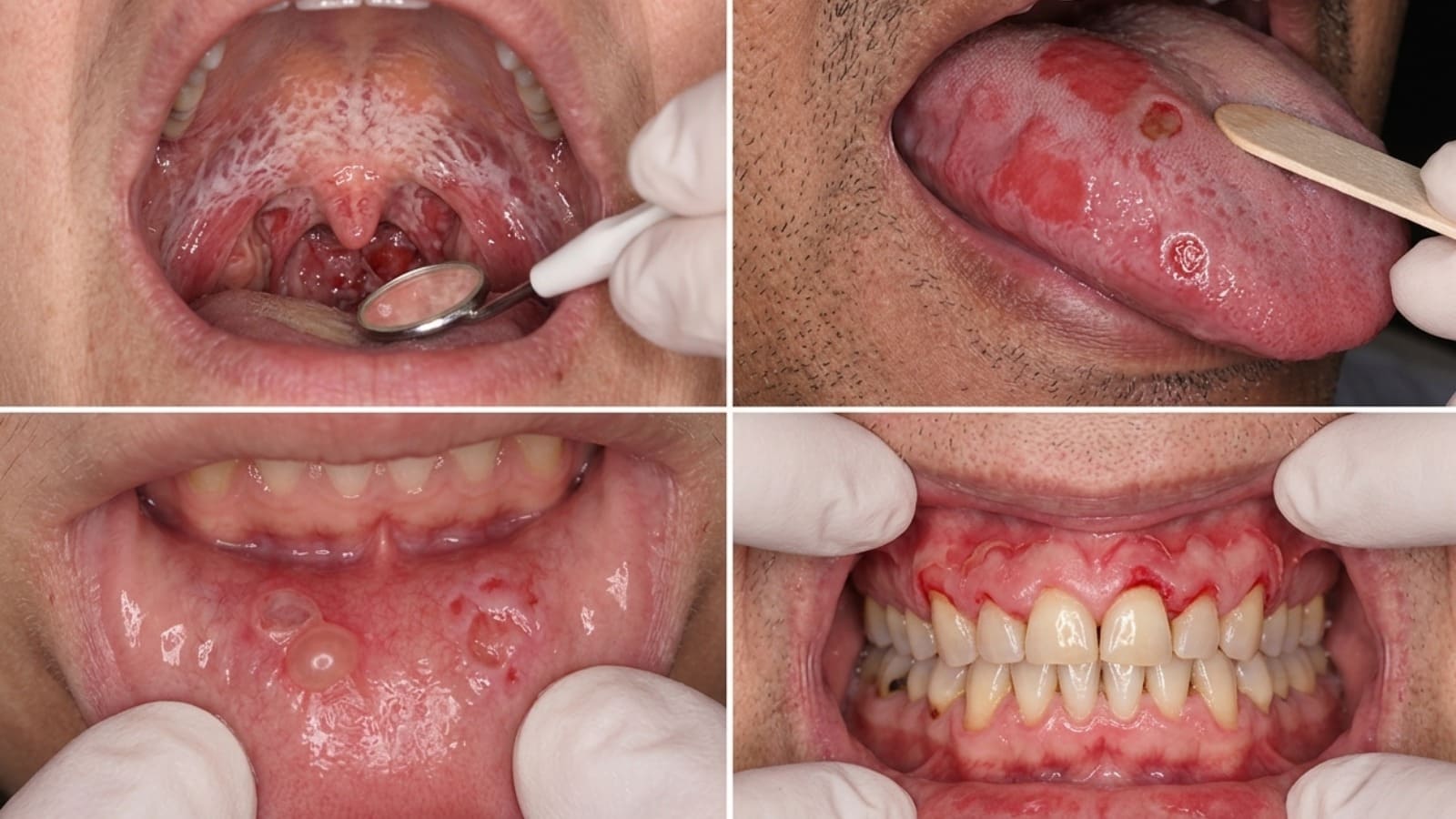
Every dentist who supports oncology patients knows the clinical heartbreak of Oral Mucositis (OM) . It is one of the most debilitating dose-limiting toxicities of antineoplastic therapy. When OM progresses to Grade 3 or 4, patients suffer severe ulceration, cannot tolerate solid food, and are at high risk for systemic infection. Often, it forces the oncologist to pause life-saving treatments.
While we frequently rely on palliative rinses, low-level laser therapy, and topical anesthetics, the quest for an effective, accessible systemic treatment is ongoing. A recently published, highly rigorous systematic review and meta- analysis brings a familiar supplement to the forefront: Vitamin E.
Here is a breakdown of the new data and why it deserves a place in your supportive care discussions.
To evaluate the true efficacy of this antioxidant, researchers conducted a comprehensive review registered in PROSPERO. They pulled data from seven major databases, isolating 14 clinical trials encompassing 715 patients (330 receiving the intervention, 385 serving as controls).
The crucial clinical nuance: This review specifically evaluated studies where Vitamin E was used alone for the treatment of OM, not bundled into a multivitamin or combined therapy. Furthermore, the data is highly reliable for clinical decision-making; utilizing the Joanna Briggs Institute tool, researchers classified 65% of the included studies as having a low overall risk of methodological bias.
The primary takeaway from the meta-analysis is not that Vitamin E entirely prevents mucositis, but that it acts as a powerful barrier against its progression to the most devastating stages. Nearly two-thirds (64.3%) of the studies showed a statistically significant reduction in the incidence of severe OM ($p < 0.05$) .
When we look at the Relative Risk (RR) data, the protective benefits are striking:
As dental professionals, our goal in dental oncology is to maintain the integrity of the oral barrier and keep our patients comfortable enough to maintain hydration and nutrition.
This meta-analysis provides robust, low-bias evidence that Vitamin E monotherapy is a highly effective strategy for doing exactly that. By significantly reducing the likelihood that OM will progress to Grade 3 or 4 particularly in our vulnerable pediatric patients—Vitamin E offers a scientifically backed, accessible tool. It is time to look beyond just managing the pain of mucositis and start actively mitigating its severity.
| PRODUCTS | QTY | PRICE | VALUE in INR |
|---|
| PRODUCTS | QTY | PRICE | VALUE in INR |
|---|