


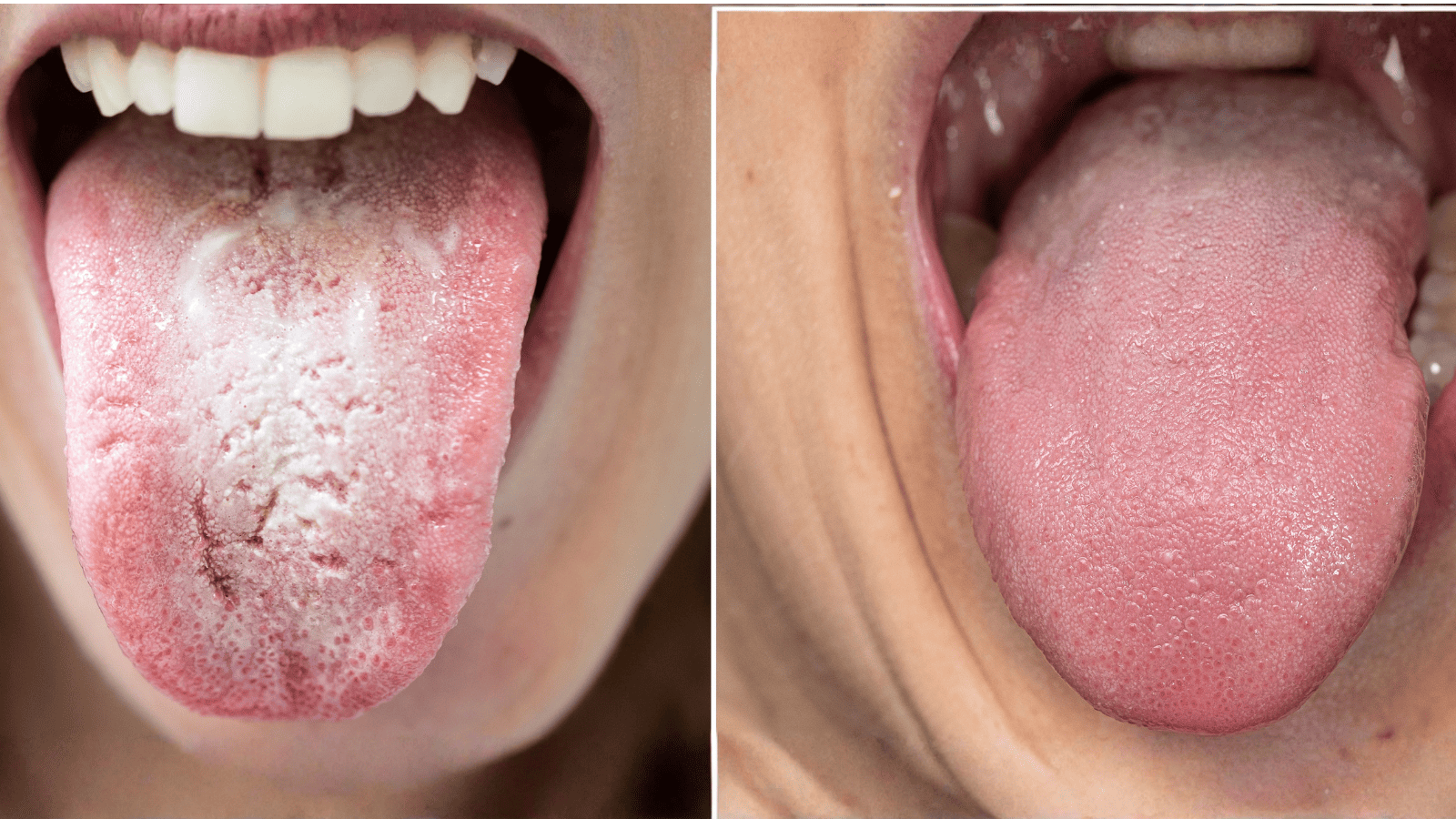
Oral Lichen Planus (OLP) presents a chronic management challenge for the dental professional. While topical and systemic corticosteroids remain the traditional first-line therapy, their long-term use is frequently limited by contraindications, patient intolerance, or the risk of secondary candidiasis.
A recent randomized control study involving thirty patients with recalcitrant OLP offers a significant clinical insight: systemic non-steroidal agents like Dapsone can achieve therapeutic parity with Prednisolone. However, the study also highlights a critical component of successful OLP management that often sits in the shadow of systemic drugs—comprehensive topical symptom control.
The research compared Group I (Prednisolone 10 mg BID) against Group II (Dapsone 100 mg daily). Both groups showed substantial remission:
The conclusion is clear: Dapsone is a viable alternative when steroids are contraindicated. But perhaps the most actionable takeaway for the daily practitioner is the standardized supportive protocol used for all participants.
In this study, regardless of the systemic medication assigned, every patient was prescribed a regimen of Benzocaine Gel and Benzydamine Mouthwash. This underscores a vital clinical reality: while systemic agents target the underlying immune-mediated inflammation, the patient’s immediate quality of life depends on effective topical intervention.
1. Benzydamine: The Multimodal Advantage
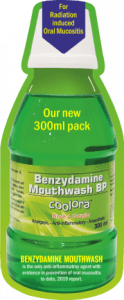
Benzydamine hydrochloride is unique because it combines anti-inflammatory, analgesic, and local anesthetic properties. In OLP, where the mucosa is often friable and ulcerated, a benzydamine mouthwash or spray provides:
2. Benzocaine: Targeted Pain Interruption
For erosive or bullous lesions, the application of a Benzocaine gel provides rapid, site-specific numbing. By blocking sodium channels along the nerve fibers, it offers the patient a “window of comfort” during acute episodes, which is essential for maintaining oral hygiene and nutritional intake.
The transition from “steroid-only” to a more diversified therapeutic approach allows for safer long-term management of OLP. By prioritizing a “top-down” approach—utilizing Benzydamine for generalized mucosal soothing and Benzocaine for focal discomfort—dentists can provide significant symptomatic relief while systemic agents work to achieve lesion remission.
Neelathi VUS, Ramesh T, Beeraboina AB, Reddy RS, Manyam R, Meka JP. Therapeutic efficacy of steroids versus non-steroidal agents in the treatment of oral lichen planus: A randomised control study. J Oral Maxillofac Pathol. 2025 Apr-Jun;29(2):243-247. doi: 10.4103/jomfp.jomfp_298_24. Epub 2025 Jun 30. PMID: 40703827; PMCID: PMC12283049.
| PRODUCTS | QTY | PRICE | VALUE in INR |
|---|
| PRODUCTS | QTY | PRICE | VALUE in INR |
|---|