


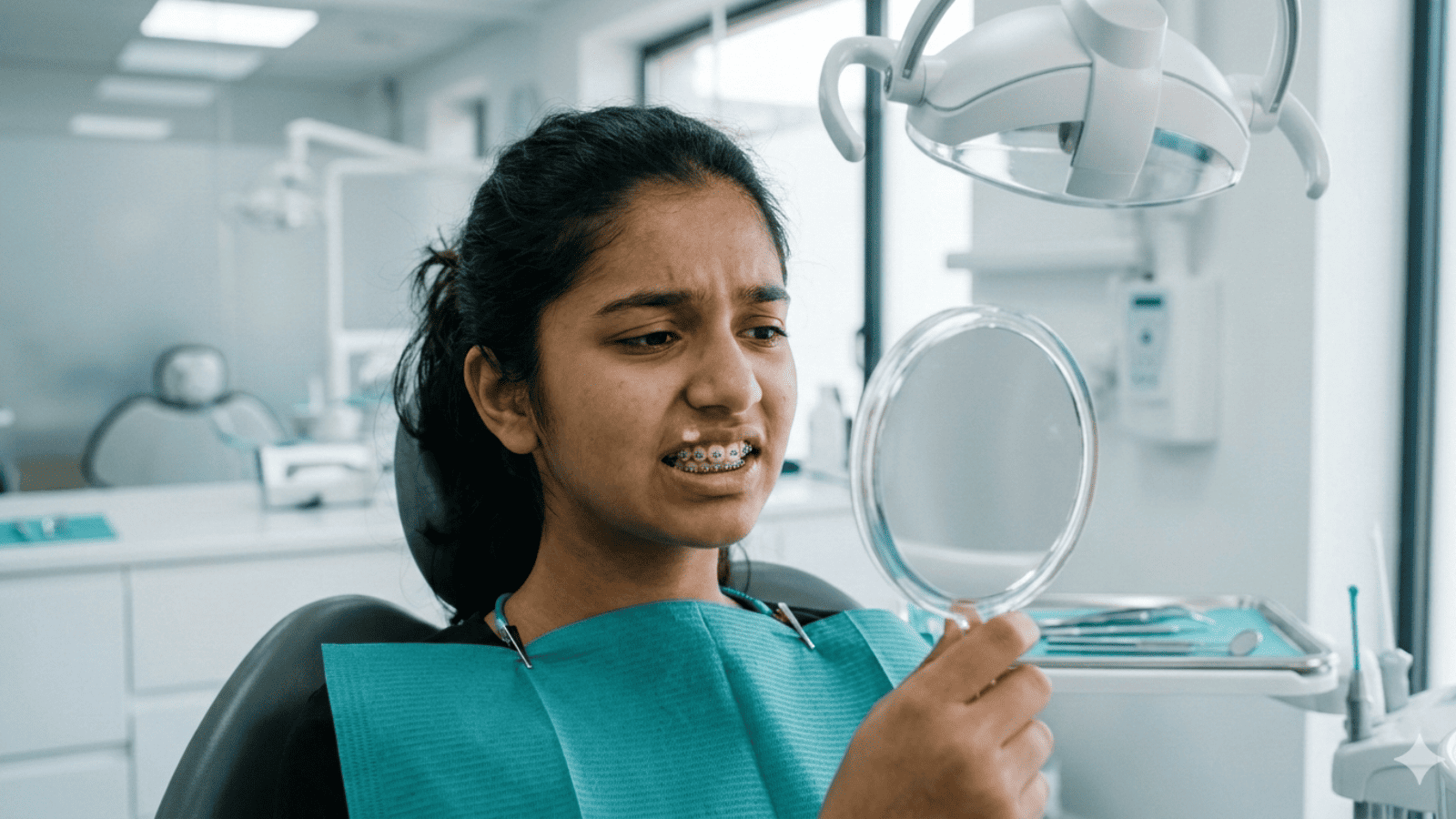
As a clinician, you have been there: removing a fixed appliance to reveal a “perfect” occlusion marred by the chalky, opaque rectangles of White Spot Lesions (WSLs). You provide the Clinical Practice Guidelines (CPGs) and explain the risks of demineralization, and yet, the prevalence remains stubbornly high.
A recent cross-sectional study of 393 adolescents (ages 12–17) sheds light on a frustrating paradox: Awareness of WSLs does not equal adherence to preventive care.
The research investigated the relationship between WSL awareness, perceived “annoyance” (aesthetic concern), and adherence to six key CPG behaviors:
The results offer a wake-up call for our communication strategies:
The study concludes that current educational approaches are failing to translate aesthetic concern into sustained patient action. Adolescents may recognize the “threat,” but the immediate friction of interdental cleaning outweighs the long-term benefit of a lesion-free enamel.
The Bottom Line: Awareness is just the first step. To beat WSLs, we must move beyond “telling” and start building systems that make adherence the path of least resistance for our teenage patients.
van Doornik SP, Lietmeijer S, Ren Y, Manton DJ, Dijkstra PU, Kuijpers-Jagtman AM. Awareness and perception of white spot lesions amongst adolescents undergoing orthodontic treatment with fixed appliances: a cross-sectional study of caries preventive adherence. Eur Arch Paediatr Dent. 2026 Feb 9. doi: 10.1007/s40368-026-01179-x. Epub ahead of print. PMID: 41661411.
| PRODUCTS | QTY | PRICE | VALUE in INR |
|---|
| PRODUCTS | QTY | PRICE | VALUE in INR |
|---|