


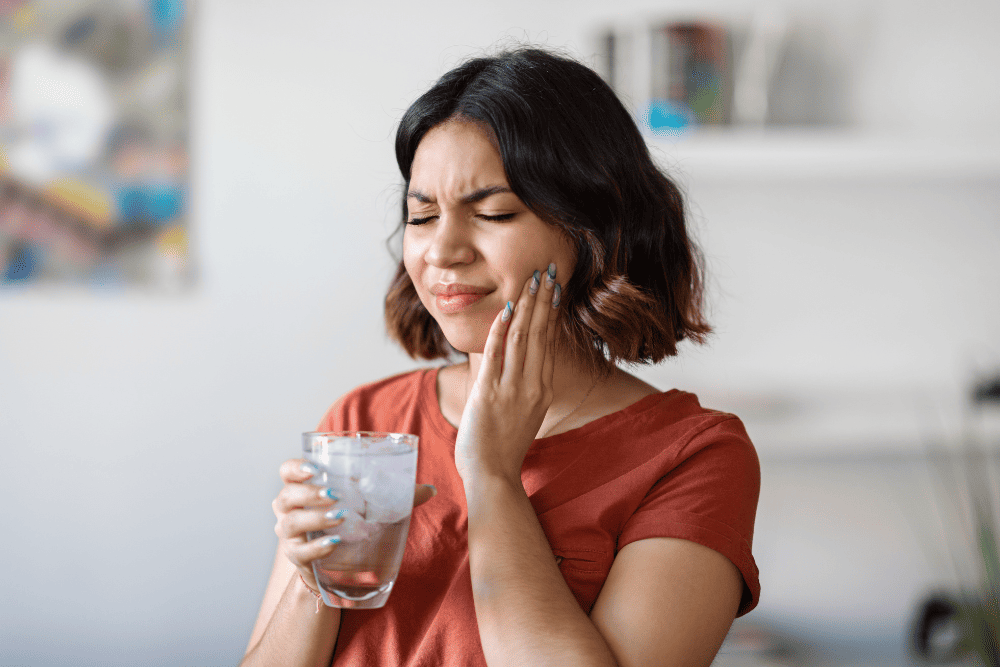
We often treat Dentine Hypersensitivity (DH) as a secondary complaint, yet for patients, it can be a daily burden. The primary objective of this major crosssectional study was to examine the correlation between clinically assessed DH and the patient’s self-reported quality of life.
To get a true picture of the condition, researchers undertook an observational epidemiological study across seven European countries. The study didn’t just rely on patient complaints; it utilized a rigorous dual-approach:
1. Clinical Examination: Assessment of DH using an evaporative air stimulus (Schiff scale) alongside checks for Gingival Recession (GR) and Erosive Tooth Wear (ETW).
2. Patient Experience: A binary (Yes/No) pain report from the participant and a detailed questionnaire on lived experience.
A total of 3,551 participants (mean age 44.0) completed the study. The data provided three critical insights for everyday practice:
Interestingly, the study revealed a “First Tooth Phenomenon” where the first tooth tested (Tooth 17) yielded disproportionately high sensitivity scores (49.2%) compared to the contralateral side, likely due to patient anticipation rather than pathology.
Impact on Lived Experience: Perhaps the most important finding for patient management is the psychosocial burden. 37.5% of participants rated their DH pain intensity as “important,” and 14.9% rated it as “very important”.
DH is a prevalent condition that is strongly associated with buccal gingival recession and erosive tooth wear. However, it remains a “non-legitimized” dental pain condition in the eyes of many clinicians.
For over half of the participants, this pain is a significant factor in their daily lives. As dentists, we must shift our perspective: DH is not just a sensation; it is a quality-of-life issue. By focusing on robust diagnostic markers (Schiff 2/3) and acknowledging the “importance” of this pain to the patient, we can validate their experience and offer more targeted, effective management.
| PRODUCTS | QTY | PRICE | VALUE in INR |
|---|
| PRODUCTS | QTY | PRICE | VALUE in INR |
|---|